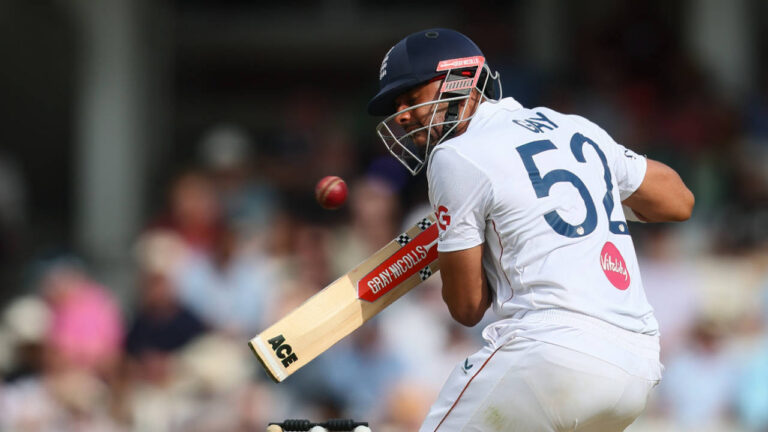
Renshaw: ‘Nice to realise that I’m good enough at T20Is’
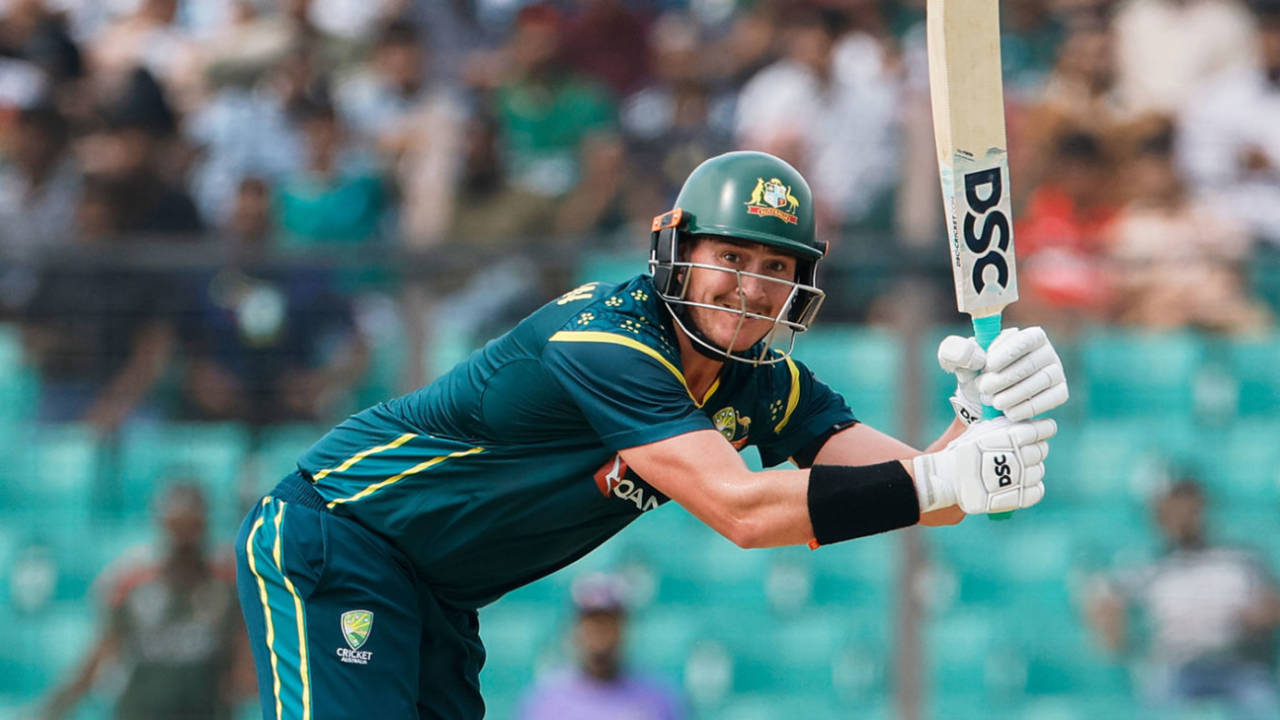
A Resounding Response from the Aussies
The intensity of Mitchell Marsh’s celebration after securing the crucial wickets of Parvez Hossain Emon and Saif Hassan spoke volumes about the Australian side’s mindset. With this victory, Australia has taken an unassailable 2-0 lead in the three-match T20I series against Bangladesh, effectively washing away the bitter taste of their 2-1 loss in the ODI series.
It was a pivotal moment in the match. While Emon and Hassan were building a solid foundation in their chase of 197, their departures within four balls of each other shifted the momentum entirely. Matt Renshaw, the standout performer of the match, noted that the disappointment of the ODI series served as a catalyst for their sharper, more clinical displays in the T20Is.
Renshaw Finds His Groove
Renshaw’s unbeaten 89 came at a time when Australia was under pressure, having lost three wickets inside the powerplay. The innings was a testament to his mental resilience. Reflecting on his journey, he remarked, “I think obviously my international career has been a bit strange around different formats, but I think just being able to be comfortable in my skin, today was a really important innings for me. It came just after a run of low scores, just remembering why I wanted to play and how I wanted to play.”
He further solidified his feelings, stating, “Renshaw: ‘Nice to realise that I’m good enough at T20Is’. I think there’s always those doubts around whether you’re good enough, especially when you’re in and out of formats and in and out of teams. So it was nice to realise that I’m good enough at this format.”
Tactical Partnerships and Intent
The partnership with Tim David, who contributed a quick-fire 45 off 26 balls, was instrumental. Renshaw emphasized that there was no rigid plan, rather a flow of communication regarding which bowlers to target. “It was more just a really good communication around what we were after, which bowlers we felt we wanted to attack,” he explained. “I think the big one was that even if we did have a few dots, it wasn’t the end of the world. We felt like we could still score.”
Renshaw’s approach was methodical, balancing caution with aggression. His calculated takedown of legspinner Rishad Hossain in the tenth over provided the necessary impetus. He attributed his success to a newfound clarity of intent, something he felt had been missing during the one-day encounters.
The Surprise Factor: Bowling Contributions
Perhaps the most unexpected aspect of the tour has been Renshaw’s emergence as a viable part-time offspinner. With eight wickets at an average of 18.37 across the ODIs and T20Is, he currently stands as Australia’s leading wicket-taker for the tour. He laughed off recent comments from the opposition, choosing to focus on the tactical side of the game: “I see my bowling as something that I love doing, but I see it from more of a batting point of view, trying to work out what the batter’s trying to do each different ball.”
Closing the Door on Bangladesh
Australia’s victory was cemented by the disciplined death bowling of Adam Zampa, Nathan Ellis, and Aaron Hardie. Renshaw was particularly impressed by Ellis, drawing comparisons to Mustafizur Rahman’s mastery of the slower ball. “Watching him go about it, the way that he can execute the slower balls… he doesn’t give the batter a really good read. And I think it’s probably some of the best death bowling I’ve seen,” Renshaw added. With the series already in the bag, Australia looks to conclude the tour on a high note, demonstrating the depth and adaptability of their squad.