NZ toast Gay wicket after Conway and Nicholls coax Latham into review
A Turning Point at The Oval
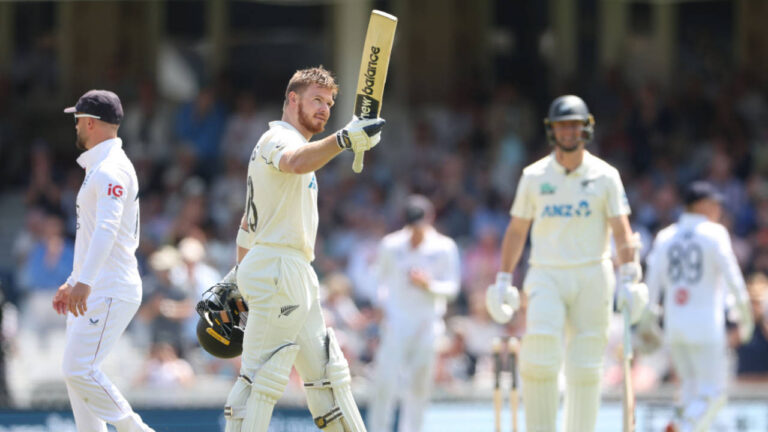
In the high-stakes environment of Test cricket, split-second decisions often define the trajectory of a match. During the second afternoon of the second Test against England at The Oval, the New Zealand side found themselves in exactly such a moment. As the tension mounted, NZ toast Gay wicket after Conway and Nicholls coax Latham into review, a gamble that paid off handsomely and swung the momentum firmly in the Black Caps’ favor.
The Decision That Changed Everything
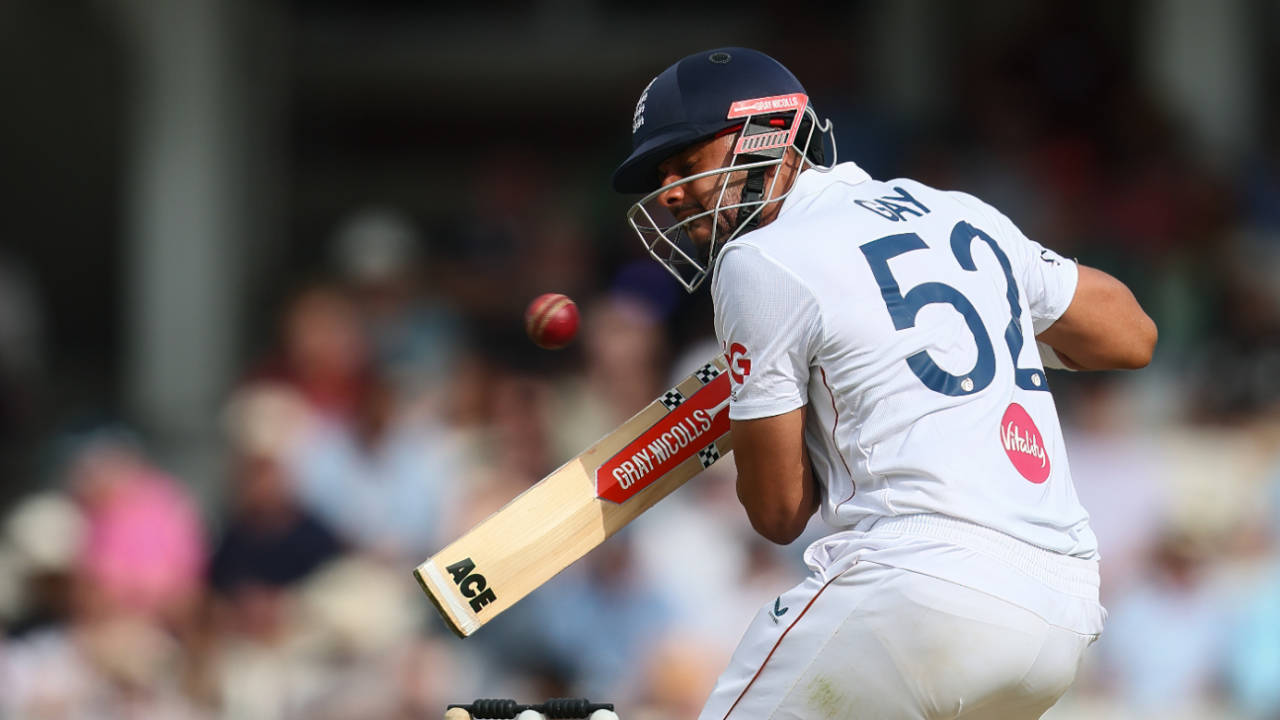
Emilio Gay had been batting with composure, having just celebrated a hard-fought 112-ball half-century. The momentum felt as though it was shifting toward the hosts after he dispatched a pull shot off Will O’Rourke for four. However, when the very next delivery saw Gay flinch at a back-of-a-length ball, the atmosphere on the field changed instantly. Despite the wicketkeeper Tom Blundell and Daryl Mitchell at first slip showing signs of disappointment, there was no immediate, widespread appeal from the fielding team.
Tom Latham, standing at second slip, initially appeared hesitant to challenge the umpire’s not-out decision. It was here that the collective awareness of the slip cordon proved invaluable. Devon Conway and Henry Nicholls, stationed at gully and third slip respectively, remained adamant that they had heard a sound. Their insistence on the validity of the noise finally convinced a reluctant Latham to signal for the DRS review.
The Reveal and Its Aftermath
The anticipation in the stadium was palpable as the big screen displayed the UltraEdge technology. When the spike appeared, confirming a clear outside edge, the mood in the New Zealand camp shifted from uncertainty to jubilation. The dismissal of Gay was not just a single wicket; it served as the catalyst for a collapse in the English batting order. The momentum carried over, leading to the crucial scalps of both Joe Root and Harry Brook shortly thereafter.
Glenn Phillips, reflecting on the incident from his position at backward point, noted the importance of the teammates’ intuition. “Dev was probably the biggest advocate for it,” Phillips stated. “The lads that were a bit more in-line saw that it was close to his batting gloves. It was worth the option and the risk to take that review. It paid off very nicely, so kudos to Dev and Toey [Nicholls].”
A Disappointed Batter
For Emilio Gay, the dismissal was a source of deep frustration. Having come off a half-century in the previous match at Lord’s, he was clearly in a rhythm and looking to build a significant innings. “The dismissal I was disappointed with, especially getting a nice pull shot off him two balls before, change of angle, and I just didn’t pick it up as well as I would have liked,” Gay remarked following the day’s play.
Gay expressed his personal disappointment in failing to convert his start into a truly substantial score. “Of course, getting a fifty last week at Lord’s was nice to get that score to settle you a little bit. To go out there today and feel fairly good, but get a fifty and not convert it, I was disappointed with that. For Durham, I’ve converted well in the last year or two, and to not do that today and not be there now for the team is disappointing.”
The Strategic Value of the Review
The incident highlights the evolving nature of captaincy in the modern era of cricket. While the final decision rests with the captain, the reliance on the expertise and observational skills of the slip cordon has become a standard tactical element. By trusting his teammates’ ears, Latham ensured that the Black Caps captured a vital wicket that might otherwise have slipped through their fingers.
As the match continues, this specific moment will likely be remembered as the defining intervention that allowed New Zealand to assert their dominance. It serves as a reminder that in Test cricket, success is rarely an individual pursuit; it is a collective effort defined by communication, trust, and the willingness to challenge the status quo when the instincts of the group align.