BBL’s ‘No. 1 priority’ is to make domestic stars ‘feel valued’

BBL‘s ‘No. 1 priority’ is to make domestic stars ‘feel valued’
Ensuring Australia’s best players don’t forgo the BBL for the potential of higher earnings in other tournaments is the top priority for the league’s boss amid the ongoing move towards a hybrid model of privatisation.
The Challenge of Competing with Overseas Tournaments
One of the key tensions that has emerged in recent times is the earnings of top overseas players through the men’s draft – up to AU$420,000 – which are considerably more than what the leading domestic white-ball stars can make within the clubs’ salary caps.
The future of the draft is uncertain, with an announcement expected next month, and clubs could be allowed to return to direct signings, at least in the short term.
Prioritizing Domestic Stars
‘We’ve got to work day and night to make sure we keep our best players playing in Australia,’ Alistair Dobson, head of the Big Bash Leagues, told SEN. ‘Every year we have Test players coming in and out, and that’s been a part of the life of the BBL for 15 years now, but having our best, particularly our white-ball players, playing in the BBL is what’s made the competition great. It’s almost our number one priority, to focus on that group of players and ensure that they feel valued and are part of our competition and can keep being the backbone of our league.
‘I think one of the key objectives for us is to be able to bring more money into the salary cap in the future so that, importantly, not only do the best overseas players want to come and play in the BBL, but our best local Australian players, and particularly the stars that really underpin our competition, get paid what they’re worth, not just compared to overseas players, but compared to the opportunities that are presenting around the world, which are growing rapidly, and increasingly it’s hard for us to keep pace with that in the current model.
Privatisation and Salary Caps
Being able to increase those salary caps is a key part of the privatisation push. It has become a complex affair with the initial hope for all clubs to seek investment at once now shelved in favour of a mixed model that will allow each state to decide what they wish to do.
New South Wales and Queensland have indicated they wouldn’t be selling stakes in their clubs, South Australia initially led the push for the hybrid model, while Victoria, Western Australia and Tasmania are in favour of private equity.
WBBL and Women’s Cricket
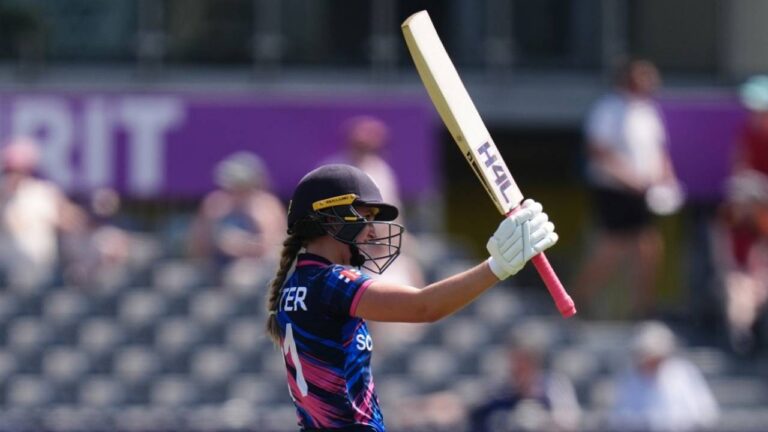
On the WBBL specifically, Dobson added: ‘From a quality perspective, the same truth exists for the WBBL that we need to be competitive globally. We need to keep investing in the WBBL. The players are rightly now incredibly well-rewarded around the world to play in the WPL in India and now the Hundred in the UK. So the same challenges on the women’s side exist as they do on the men’s.
Conclusion
Dobson was speaking publicly for the first time since Victoria’s shock announcement about merging Renegades and Stars, rebranding the latter and operating one team. While that remains the longer-term aim, Victoria confirmed last week that the existing teams would continue for 2026-27, which raised questions about what next season will look like for the clubs – who will need to fill their lists when the contracting embargo lifts, likely late next month – and also the supporters of two sides that won’t exist in the future.