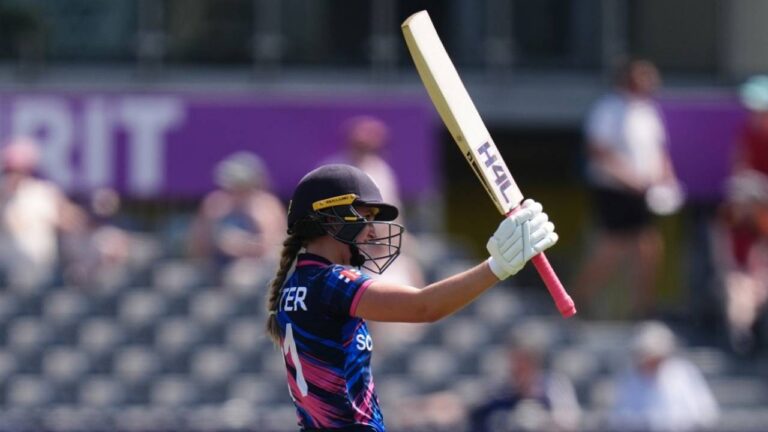
Scotland still have 2028 T20 World Cup automatic qualification incentive
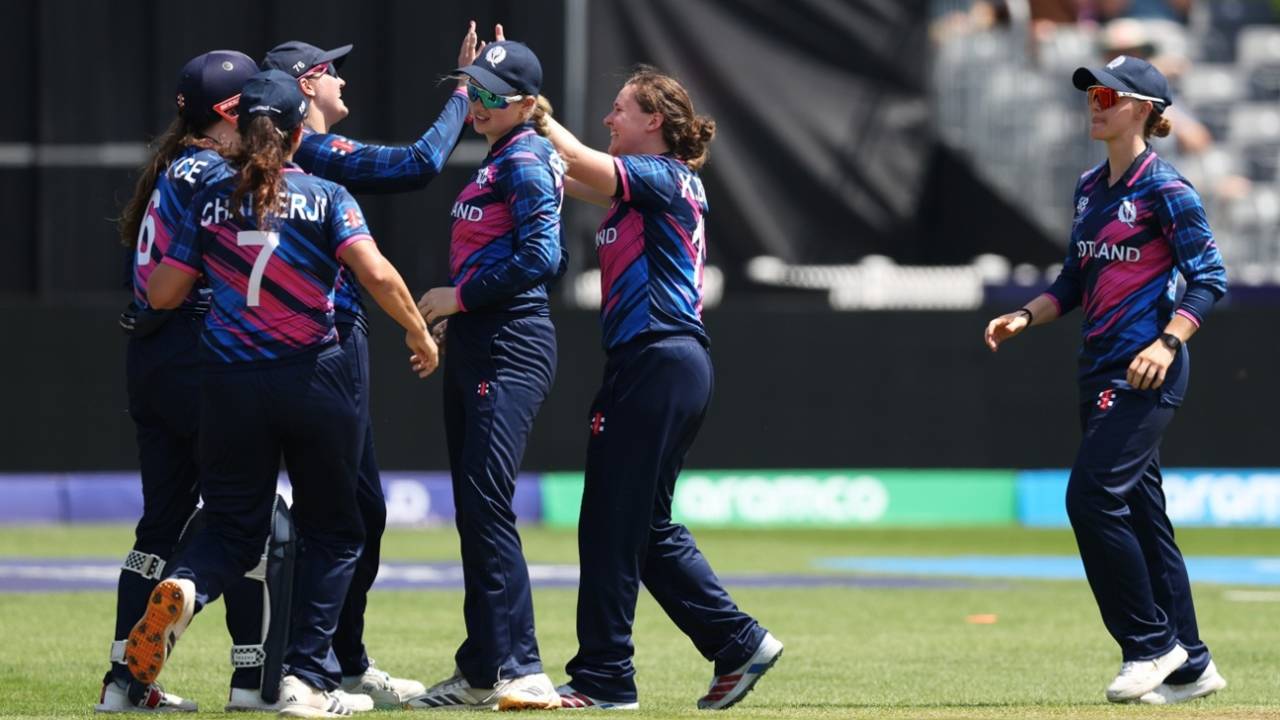
The Path to 2028
As the current T20 World Cup moves toward its conclusion, the stakes remain incredibly high for mid-table teams like Scotland. While the dream of lifting the trophy may have faded, the motivation to perform in their final group fixture is significant. The tournament structure provides a clear reward for consistency, as teams finishing in the top four of each group secure their place at the 2028 T20 World Cup, which is set to be hosted by Pakistan.
Why the Final Match Matters
Scotland currently sits in fifth place in their group, hovering just outside the coveted top-four positions. Their final match against fourth-placed Sri Lanka is effectively a knockout tie for qualification purposes. Because of the current net run-rate discrepancies, a victory for Scotland could see them leapfrog both Sri Lanka and potentially New Zealand, depending on the outcome of the other group fixtures. Achieving this top-four finish is essential to avoid the arduous path of playing in a global qualification tournament.
Understanding the Qualification Criteria
The International Cricket Council (ICC) has established a specific pathway for the 12-team 2028 event. According to current guidelines, the qualification process includes:
- The top eight teams, defined as those finishing in the top four of their respective groups in the 2026 T20 World Cup.
- The host nation, Pakistan, who qualify automatically regardless of their tournament performance.
- The highest-ranked teams remaining on the ICC Women’s T20I rankings table as of July 6, 2026.
- Two additional spots reserved for teams emerging from the global qualifier.
This structure highlights the urgency for nations like Scotland. Relying on the rankings can be precarious, as the current standings place Scotland in 11th, trailing behind Ireland and Bangladesh. A direct finish in the top four remains the most reliable insurance policy against missing out on the next major cycle.
The Battle for Position
While Group 1 appears relatively settled with Australia, India, South Africa, and Bangladesh occupying the top spots, Group 2 is far more fluid. If Scotland manages to secure a win against Sri Lanka, they will move to four points, creating a three-way tie scenario with Sri Lanka and New Zealand. This would force a decision based on net run-rate, turning every run scored and every wicket taken into a vital component of their 2028 aspirations.
Looking Toward the Future
The landscape of women’s international cricket is evolving rapidly. With only two spots available via the global qualifier, the margin for error is shrinking. Earlier this year, nations like Bangladesh, Ireland, Scotland, and the Netherlands proved their mettle to reach the current tournament. However, to ensure sustained growth and exposure, securing an automatic spot is paramount. For Scotland, the upcoming match is not just about finishing the tournament on a high note; it is about building a legacy and ensuring their participation on the global stage in 2028. The players are acutely aware that while the semi-finals are out of reach, their future in the next World Cup cycle starts with a win on the pitch today.