Pandey: ‘Harmanpreet Kaur’s strike rate is a cause for concern’ for India
The Captain’s Challenge
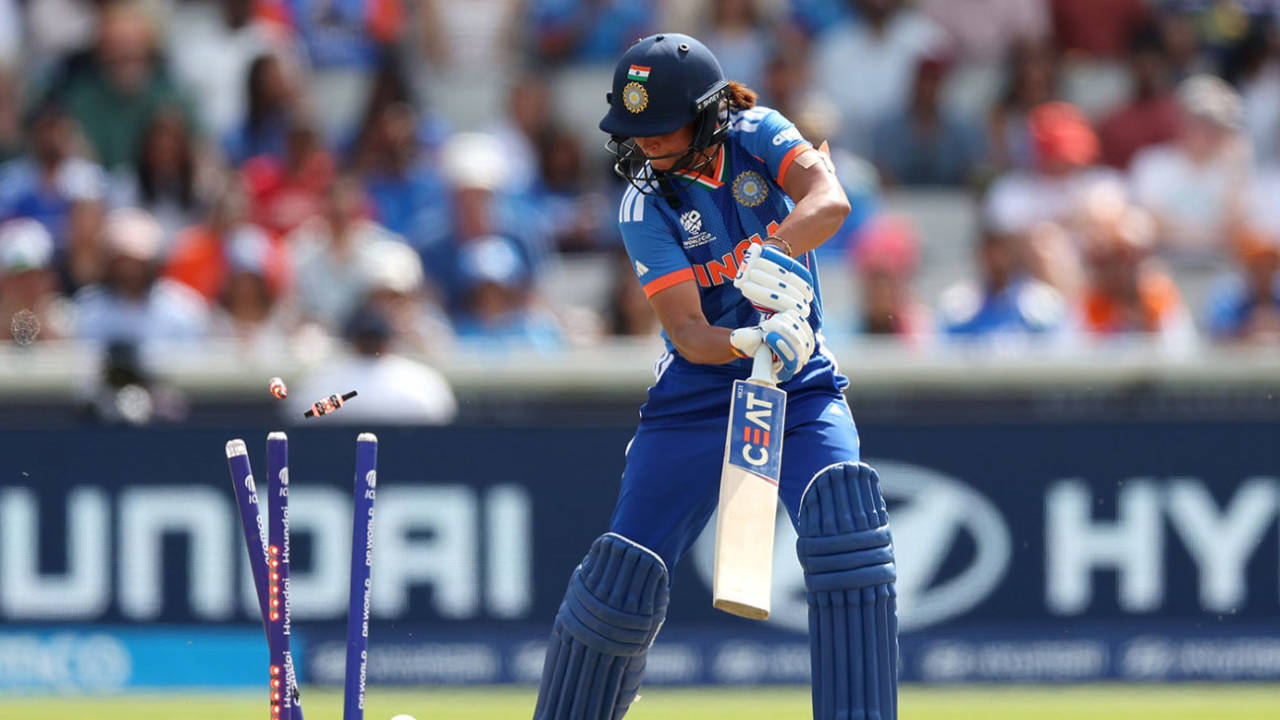
As India navigates the high-pressure environment of the T20 World Cup, the spotlight has turned toward the tactical approach of skipper Harmanpreet Kaur. Shikha Pandey, providing her expert analysis on JioStar’s Game Plan, highlighted that Pandey: ‘Harmanpreet Kaur’s strike rate is a cause for concern’ for the middle order. With the tournament reaching its business end, the need for aggressive batting has never been greater.
Harmanpreet has managed 72 runs across her appearances so far, maintaining a strike rate of 109.09. Having shuffled between the number four, five, and six positions, there is a growing consensus that she might be better served by a more settled role. Pandey suggests that the captain often falls into ‘rescue mode’ when wickets tumble early, which hinders her ability to play her natural, destructive game.
Breaking the Shell
The essence of the critique lies in the psychological burden of batting. When a captain feels the weight of responsibility to rebuild an innings, the free-flowing stroke play that defines Harmanpreet at her best often disappears. “When Harmanpreet Kaur is on song, she is a completely different player altogether,” Pandey remarked. The focus now shifts toward ensuring she can walk to the crease with the freedom to execute her signature straight drives and powerful shots over deep midwicket, particularly against the spinners.
The recent clash against South Africa served as a microcosm of these struggles. India found it difficult to build momentum, as Yastika Bhatia, Jemimah Rodrigues, and Harmanpreet combined for 51 runs off 49 balls. The lack of a substantial partnership—with the highest being a mere 33—left the team in a precarious position.
Defining Roles and Flexibility
Adding to the conversation, former Indian batter Veda Krishnamurthy touched upon the tactical dilemma surrounding Jemimah Rodrigues. The constant shifting of batting positions has created uncertainty. Krishnamurthy argued, “The minute you say ‘be flexible,’ you don’t know whether to be ready from the first ball or from the third over. It kind of gets difficult for a batter.” She advocates for keeping Rodrigues at number three, providing her with the stability required to settle in and contribute effectively.
This tactical debate arrives at a critical juncture. With the team now facing a must-win scenario in their remaining group-stage matches against Bangladesh and others, every decision regarding the batting order carries immense weight. The reliance on net run rate means that India cannot afford another sluggish start or a slow middle-overs phase.
Rising Stars Amidst Tension
Despite the batting woes, there is a beacon of hope in India’s bowling attack. Shikha Pandey took the time to praise the emergence of young left-arm spinner Shree Charani, who has been a standout performer in the tournament. With ten wickets in three matches, Charani has become a vital asset.
“The way Shree Charani has bowled in tandem with Deepti Sharma has been great to watch,” Pandey stated. She specifically pointed to the tactical brilliance of Charani’s deliveries, noting the wicket of Annerie Dercksen as a masterclass in left-arm spin. Her ability to maintain precise lengths while keeping the stumps in play has provided India with a much-needed edge in a tournament where every run saved is as valuable as every run scored.
As India looks toward the final group stages, the team management faces a delicate balancing act. They must address the stagnation in the middle order while continuing to empower the young talent that has carried the bowling unit. Whether or not Harmanpreet Kaur can shift her mindset and regain her aggressive flair may well decide the fate of India’s journey in this World Cup.