Litton Das shares untold details about Bangladesh missing T20 World Cup
The Controversy Behind the Scenes
The absence of the Bangladesh national cricket team from the 2026 T20 World Cup remains a defining and contentious moment in the country’s sporting history. The decision, orchestrated by the Bangladesh Cricket Board (BCB), to withdraw from the tournament hosted in India sent shockwaves through the cricketing fraternity. While official channels cited security concerns as the primary driver, the narrative behind that decision has remained cloudy—until now.
As efforts to relocate Bangladesh’s matches to neutral venues like Sri Lanka proved unsuccessful, the Scotland team eventually took the vacant spot. Behind the scenes, the discourse was steered by powerful figures, including the former Youth and Sports Adviser, Dr. Asif Nazrul. While the narrative presented to the public suggested a collaborative effort, the reality was starkly different, according to T20 captain Litton Das.
A Symbolic Consultation
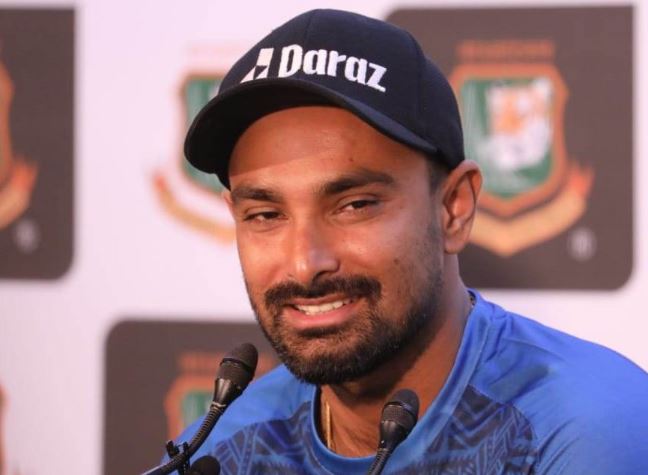
In a recent and revealing interview with the Bangladeshi daily Prothom Alo, Litton Das provided a rare look into the meetings that preceded the final withdrawal. When asked about the nature of the discussions between the board officials and the players, Litton offered a sharp, cynical assessment. He described the process as largely performative, designed to project an image of inclusivity and consultation that did not exist in practice.
“There wasn’t really any question to answer there,” Litton remarked. “We basically went there to have tea and participate. It felt like it was being shown to the media that the players had been consulted. We were happy to sit in an air-conditioned room and have some tea.” This admission suggests that the players were effectively sidelined while the high-level decisions were being finalized by officials.
The Players’ Stance on Security
The most compelling part of Litton’s testimony concerns the reasoning presented to the team. The officials cited significant security threats in India, a claim that Litton and his teammates found difficult to reconcile with their professional experiences. Drawing a direct parallel to their experiences in Pakistan, Litton challenged the logic of the board’s security narrative.
“They asked us what we wanted. What else would players want? We said we wanted to play cricket,” Litton explained. When confronted with the security argument, the captain was quick to point out the hypocrisy. “We told them that we had already played cricket in Pakistan, where armed guards stood outside our hotel rooms. What could be more serious than that? If we can play cricket in Pakistan, why not in India?”
Who Held the Reins?
Ultimately, Litton emphasizes that the decision was never in the hands of the athletes. Despite the public posturing, the players were passive observers to a choice that directly impacted their careers and national pride. “That was entirely their call. As players, what more could we say?” he questioned.
The tension grew even more pronounced when Dr. Asif Nazrul later suggested in media interviews that the players had failed to stand up for their right to participate. When asked to respond to these claims, Litton opted for a touch of wry humor, noting that political figures often change their tune once they vacate their positions of authority. The captain’s response serves as a sobering reminder of how political agendas can overshadow the aspirations of professional athletes.
Looking Ahead
The aftermath of the 2026 T20 World Cup controversy has left lasting scars on the relationship between the players and the administration. By speaking out, Litton Das has provided a necessary counter-narrative to the official reports. For fans of Bangladesh cricket, the realization that their team was kept away from a global stage due to administrative maneuvering rather than genuine safety concerns is a bitter pill to swallow. As the cricketing world moves forward, the insights shared by Litton will likely serve as a reference point for how players and boards navigate such high-stakes decisions in the future.