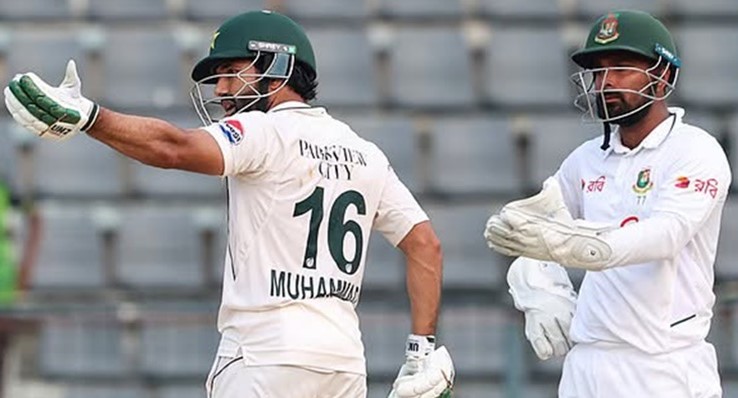
They looked like a bit more grass on the wicket: Josh Inglis on Mirpir pitch

A New Chapter for Cricket in Mirpur
The Sher-e-Bangla National Cricket Stadium in Mirpur has long been regarded as a challenging venue for touring sides, often synonymous with slow, low-bouncing surfaces that favor spin. However, recent observations suggest a shift in the nature of the wicket. As Australia prepares for an upcoming tour consisting of three ODIs and three T20Is, the conversation surrounding the playing conditions has become a focal point of the team’s preparation.
Observing the Surface
Josh Inglis, stepping into the role of captain for this tour, offered a candid assessment of the venue. Reflecting on the evolution of the pitch, Inglis remarked, “They looked like a bit more grass on the wicket: Josh Inglis on Mirpir pitch” as he analyzed the recent history of the ground. This observation comes against the backdrop of changing conditions seen in previous series against Pakistan and New Zealand, where the surfaces displayed more seam-friendly characteristics than the traditional spin-dominated tracks expected in Bangladesh.
Strategic Preparation
Australia has arrived in Bangladesh with an inexperienced squad, missing several key senior players due to injuries and workload management. Despite the youth of the side, the approach to the conditions remains methodical. When questioned about potential similarities between the Mirpur surface and wickets commonly found in the Indian Premier League (IPL), Inglis emphasized a data-driven approach.
“We’ll do our homework, we’ll have a look at the games that have been played here recently, and then we’ll make a judgement on the wicket later on today,” Inglis stated during a pre-series media briefing. The captain is keenly aware that the playing surface can dictate the tempo of the game, and the team is leaving no stone unturned.
Expectations for the ODI Series
The Australian camp is preparing for a variety of scenarios. Regarding the recent series between Bangladesh and New Zealand, Inglis noted the specific movement off the surface. “I think we’ve had a look at the New Zealand series that was here, right? They looked like a bit more grass on the wicket. The new ball tended to do a bit and it was a bit more seam-friendly rather than spin-heavy. We’ll take that into account, but we’re ready for anything,” he added.
This adaptability will be crucial as the visitors look to make their mark. The series, which is set to commence on June 9, promises to be a stern test for the Australian side, particularly given the unpredictability of the conditions in Mirpur. With the ODI matches concentrated at this venue, the ability to read the pitch correctly will be a defining factor in the series outcome.
Looking Ahead
As the first ODI approaches, the focus remains on how the pitch will behave under the bright lights of Mirpur. Will the grass covering persist, or will the surface revert to the classic slow-turning track that has historically defined this venue? For Josh Inglis and his squad, the challenge is clear: remain flexible, trust the preparation, and execute the game plan regardless of what the pitch offers on match day.
Cricket enthusiasts are eagerly awaiting the start of this series, as it represents a significant opportunity for the younger members of the Australian squad to prove their mettle in testing subcontinental conditions. All eyes will be on Mirpur on June 9 as the contest gets underway.