PCB may fly players to USA for power-hitting training to boost performance
A New Strategy for Pakistan Cricket
The Pakistan Cricket Board (PCB) is currently assessing the viability of an ambitious plan to send a select group of cricketers to the United States. This initiative is designed to explore new skill sets in a different learning environment, marking a significant shift in how the board approaches player development. While logistical arrangements are still in the preliminary stages and a final list of participating players has yet to be confirmed, white-ball coach Mike Hesson has officially acknowledged that the proposal is actively being developed.
Diversifying the Learning Environment
Mike Hesson explained that the core objective of this initiative is to leverage expertise that is currently unavailable within the domestic setup. By sending players abroad, the PCB hopes to integrate fresh perspectives into the team’s training culture. The program aims to support players recovering from long-term injuries while also challenging healthy athletes to adapt to new methods of power hitting over an extended period. This four-month immersion is intended to provide a stable environment for players to refine their technique without the constant distractions of the domestic calendar.
Addressing Fitness and Medical Standards
This potential collaboration with US-based facilities is part of a much broader overhaul of the medical and fitness culture within Pakistan cricket. The board has recently signaled that it is no longer satisfied with the status quo, appointing Dr. Javed Mughal, a UK-based physiotherapist, as the Director of Sports and Exercise Medicine. During a recent press conference, PCB chairman Mohsin Naqvi and Dr. Mughal emphasized that professional fitness is a non-negotiable requirement for the squad. The board has already implemented a robust, reliable, and repeatable testing and screening battery to monitor the physical health of all contracted players.
Integrating Expertise with Youth Development
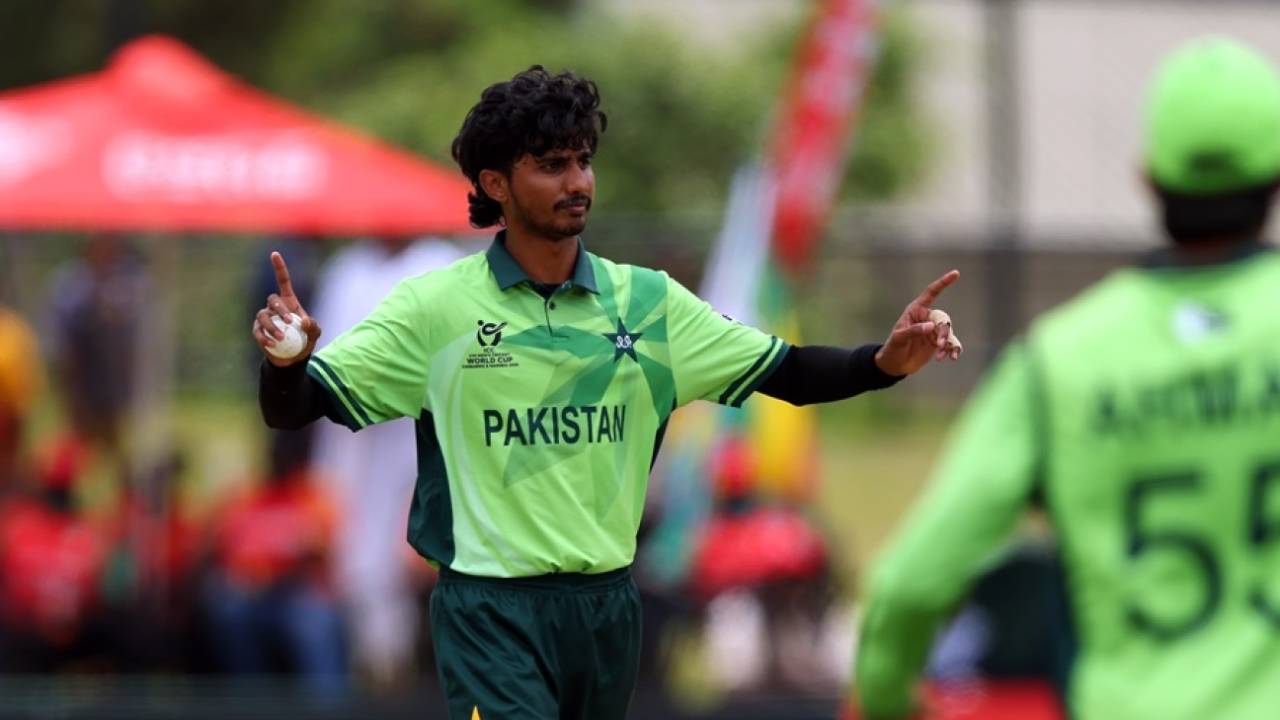
Hesson highlighted that the project goes beyond simple strength and conditioning. It is a holistic collaboration designed to change how players are trained and assessed. Under-19 pace sensation Ali Raza is currently one of the primary candidates being considered for this program. Raza, who famously took a hat-trick in the PSL for Peshawar Zalmi and starred in the U19 Asia Cup final, represents the type of high-potential talent the PCB is keen to protect. His development is a priority, and the board is working to ensure his body can withstand the rigors of international cricket.
Building for the Future
The challenge for young bowlers like Ali Raza is managing the physical toll of sustaining high speeds over multiple spells. Hesson noted that while Pakistan’s injury rates are comparable to global standards, the goal is to build resilience against the specific pressures of international competition. By exploring international options, the PCB is demonstrating a willingness to move away from rigid, traditional training structures.
Conclusion
The willingness to explore external options rather than insisting that all development happens within the National Cricket Academy signifies a progressive mindset from the coaching staff. As the PCB continues to refine its medical and technical protocols, the potential trip to the United States stands as a testament to the board’s commitment to excellence. By investing in specialized power-hitting expertise and cutting-edge fitness programs, Pakistan aims to ensure its cricketers are prepared for the evolving demands of the modern white-ball game. Further updates on the progress of this initiative and the specific roster of players chosen for the program are expected in the coming months.