Breaking: Stokes and Atkinson investigated by ECB over nightclub incident
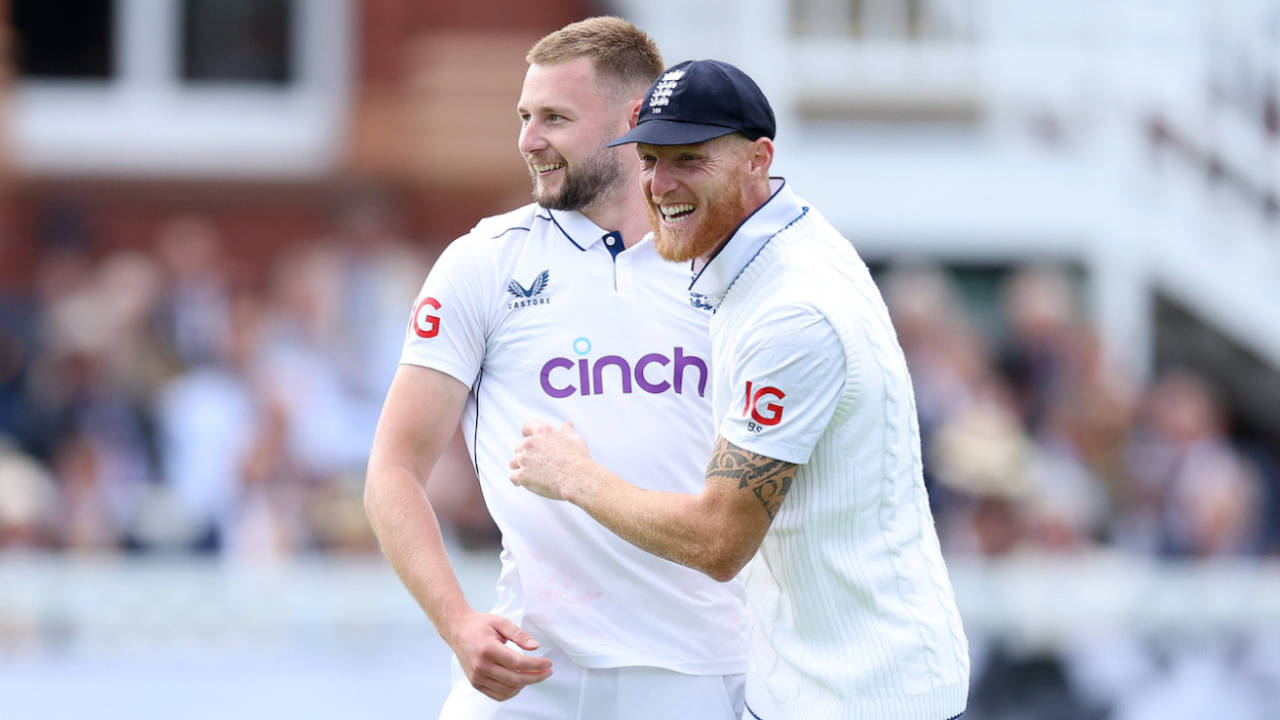
England’s recent triumph over New Zealand in the first Test has been overshadowed by an emerging off-field controversy. The England and Wales Cricket Board (ECB) has officially confirmed that two of its players, prominent all-rounder Ben Stokes and fast bowler Gus Atkinson, are being investigated following an undisclosed ‘incident’ at a nightclub. This development has initiated a formal inquiry into a potential breach of team protocols, raising questions about player conduct and the immediate future of the players involved.
The statement released by the ECB on Monday evening confirmed the specifics of the situation: “The ECB is currently investigating a breach of team protocols following the conclusion of the first Men’s Test against New Zealand.” It further elaborated, “Ben Stokes and Gus Atkinson were present at a nightclub in the early hours of Monday morning when an incident took place.” This official communication underscores the seriousness with which the governing body is approaching the matter, especially given the high profile of one of the players involved and the timing so soon after a significant victory.
Details Emerge from the ECB Statement
While the ECB’s statement was clear about the investigation, it remained deliberately vague on the precise nature of the ‘incident’. This lack of specific detail is typical of ongoing investigations, designed to prevent speculation and ensure a fair process. However, the mention of an incident occurring in the ‘early hours of Monday morning’ strongly suggests it took place after England’s decisive 115-run victory against New Zealand. Such timing often raises questions about appropriate post-match conduct and adherence to team curfews or behavioural guidelines.
The statement also highlighted that the ECB is actively “seeking further information” regarding the event. This indicates that the inquiry is still in its preliminary stages, gathering facts before any conclusions are drawn or disciplinary actions are considered. A crucial aspect of the statement was the promise of an “announcement regarding the squad for the second Test…in due course,” implying that the outcome of this investigation could have immediate implications for player selection in the upcoming match. Furthermore, the involvement of “The Cricket Regulator” has been confirmed, signifying that this is not merely an internal team matter but one that warrants oversight from the sport’s independent regulatory body, adding another layer of gravity to the situation.
Context: A Post-Victory Cloud
The timing of this incident is particularly unfortunate. England had just secured a commanding victory against New Zealand, setting a positive tone for the series. Such wins are typically a moment for celebration and team cohesion. However, an incident of this nature can quickly shift focus away from on-field achievements and onto off-field controversies, potentially disrupting team morale and public perception. Professional athletes, especially those representing their country, are held to high standards of conduct both on and off the field. A breach of team protocols, regardless of its severity, can undermine the discipline and image that sports organisations strive to uphold.
The Players Involved: Stokes and Atkinson
Ben Stokes is a central figure in English cricket, known for his match-winning performances and leadership qualities. His past, however, includes a high-profile incident in Bristol in 2017, which led to a suspension and a court appearance, ultimately cleared of affray. While the current situation is yet to be fully understood, any new investigation involving Stokes naturally draws significant media and public attention due to his history and stature. For Gus Atkinson, a promising young fast bowler, this incident comes at a critical juncture in his career. Just starting to establish himself in the international arena, any disciplinary action could significantly impact his development and future opportunities.
Breach of Protocol: What It Means
Team protocols are a set of rules and guidelines that professional sports teams establish to ensure discipline, maintain team harmony, and uphold the integrity of the sport. These can range from curfews and alcohol consumption policies to broader behavioural expectations. A ‘breach of team protocols’ suggests that the players’ actions deviated from these established norms. The severity of the breach, and consequently the disciplinary action, often depends on the specifics of the incident and whether it caused harm, damage, or brought the game into disrepute. The ECB’s immediate response indicates a firm stance on upholding these standards.
The Role of the Cricket Regulator
The involvement of The Cricket Regulator signifies that this investigation extends beyond the immediate concerns of the England team management. The Cricket Regulator is an independent body responsible for overseeing integrity and disciplinary matters within English and Welsh cricket. Their involvement ensures an impartial and thorough investigation, adhering to established legal and ethical frameworks. This step underscores the potential seriousness of the incident and the ECB’s commitment to transparency and due process.
Implications for the Second Test and Beyond
The most immediate consequence of this investigation could be the availability of Stokes and Atkinson for the second Test. If deemed to have committed a significant breach, they could face sanctions ranging from fines to suspensions, potentially ruling them out of selection. Beyond the immediate impact, such incidents can have long-term repercussions on a player’s reputation, trust within the team, and even their international career. For the ECB, it’s a delicate balance of maintaining discipline while supporting its players, ensuring fair treatment throughout the investigative process. The outcome will be closely watched by fans, media, and fellow cricketers alike.
Awaiting Further Updates
As the ECB continues its investigation, the cricket world awaits further details. The promise of an update “when possible” suggests that the process is ongoing and that a comprehensive statement will be issued once all facts have been gathered and reviewed. Until then, speculation will inevitably mount, but the focus remains on the official channels for clarification on this evolving situation. The integrity of the sport and the reputation of its players are paramount, and the ECB’s handling of this matter will be crucial in reaffirming those values.