Why Rajat Patidar Is Still Not Ready For A Place In India’s T20I Setup? – Why Rajat Patidar Faces Hurdles for a Permanent India T20I Spot
The Rise of Rajat Patidar
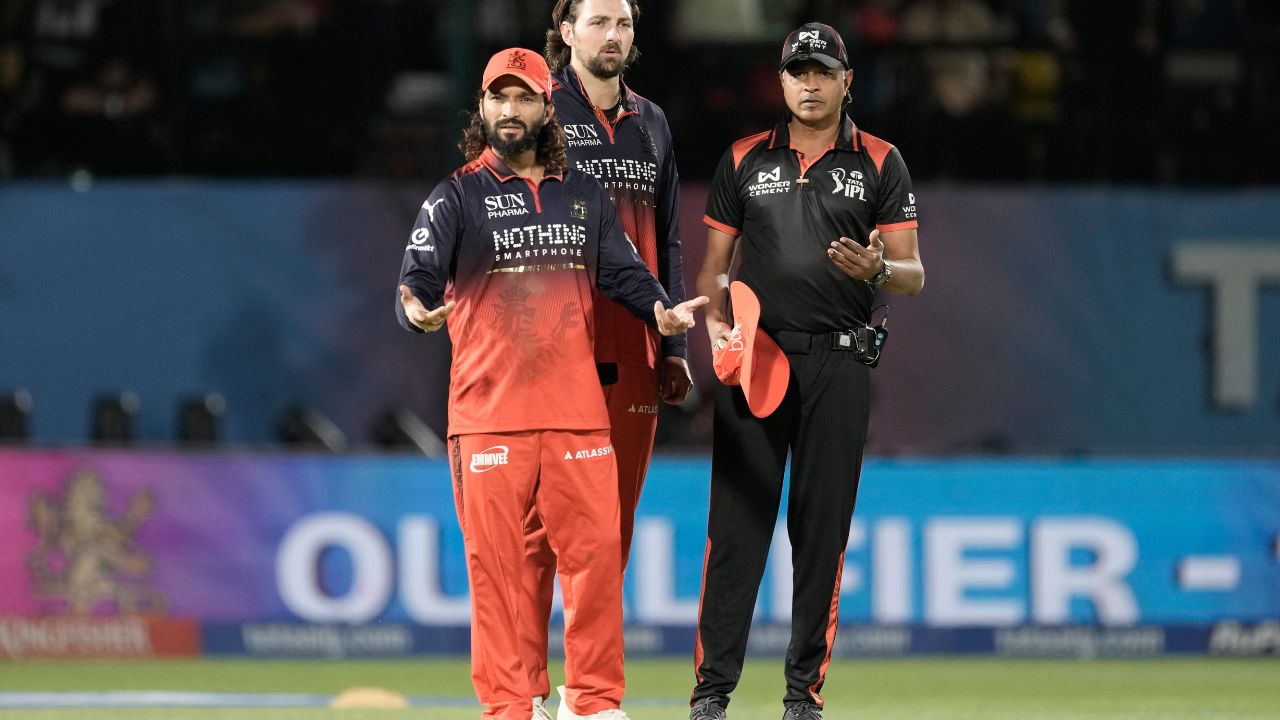
Rajat Patidar has undoubtedly become one of the most compelling narratives in Indian cricket following his sensational 2026 Indian Premier League (IPL) campaign. As the captain of Royal Challengers Bengaluru (RCB), he played a pivotal role in leading his side to the IPL final, capturing the imagination of fans with his fearless batting, aggressive stroke-play, and composure under pressure. His emergence has naturally sparked intense debate regarding his inclusion in India’s T20 International setup.
A Statistical Powerhouse
The numbers behind Patidar’s recent success are staggering. During the 2026 IPL season, he accumulated 486 runs across 13 innings, maintaining an impressive average of 44.18. Most notably, his strike rate of 196.76 highlights his ability to shift the momentum of a game instantly. Perhaps his finest moment came during the Qualifier 1 match against the Gujarat Titans in Dharamsala, where he dismantled the bowling attack to score an unbeaten 93 off just 33 deliveries—a masterclass in modern T20 batting featuring a strike rate of 281.82.
Across his broader IPL career, Patidar has featured in 56 matches, amassing 1597 runs at an average of 33.97 and a career strike rate of 165.14. These figures suggest a player who has mastered the nuances of the T20 format at the franchise level, yet the jump to international cricket remains a significant hurdle.
The Gap Between IPL and International Cricket
While the IPL is arguably the most competitive T20 league globally, transitioning to international cricket requires a different level of technical fortitude and mental resilience. International bowling attacks, often operating with more sophisticated data-backed plans, pose questions that even the most prolific domestic players occasionally struggle to answer. The pressure of representing the national team and the scrutiny that follows are factors that even high-performing IPL stars find challenging to navigate immediately upon debut.
The Competition Conundrum
A primary factor complicating Patidar’s entry is the sheer density of talent in the current Indian squad. India currently faces a ‘problem of plenty,’ particularly in the middle-order positions of Nos. 3 and 4. With established stars and other rising talents already competing for these limited spots, the selectors must carefully weigh the balance of the team. Introducing a new player, regardless of form, often requires displacing an incumbent who has earned their spot through consistent international performances.
Technical Considerations
Beyond team balance, the selectors often look at a player’s technical adaptability. Patidar has shown an affinity for aggressive batting, but international cricket demands a higher degree of proficiency against varying conditions and specialized bowling types. Evaluating his long-term viability involves assessing how he handles elite-level spin variations and high-velocity pace, which may behave differently on international wickets compared to the surfaces typically encountered in the IPL.
Looking Ahead
The path to an Indian T20I debut is rarely a linear one based on a single season of success. While Rajat Patidar has proven that he possesses the raw talent and the ‘X-factor’ required for the shortest format, consistency over an extended period and the ability to adapt to international tactical nuances are essential. Whether he remains a specialist franchise player or evolves into a consistent international performer will depend on how he navigates these challenges in the coming years. For now, the Indian cricket brain trust seems to be exercising patience, ensuring that when the opportunity finally comes, the player is fully equipped to handle the demands of the global stage.