Kohli has ‘let himself go and he’s having fun,’ says Moody
The Evolution of Virat Kohli in IPL 2026
The landscape of T20 cricket is constantly shifting, and few players illustrate this transformation as vividly as Virat Kohli. In the 2026 Indian Premier League season, Kohli maintained a blistering strike rate of 165.85, marking a significant departure from his traditional approach. While young talents like Vaibhav Sooryavanshi have captured headlines for their explosive starts, Kohli’s consistency—combined with this newfound aggression—has placed him in an elite bracket of scorers.
A Shift in Perspective and Performance
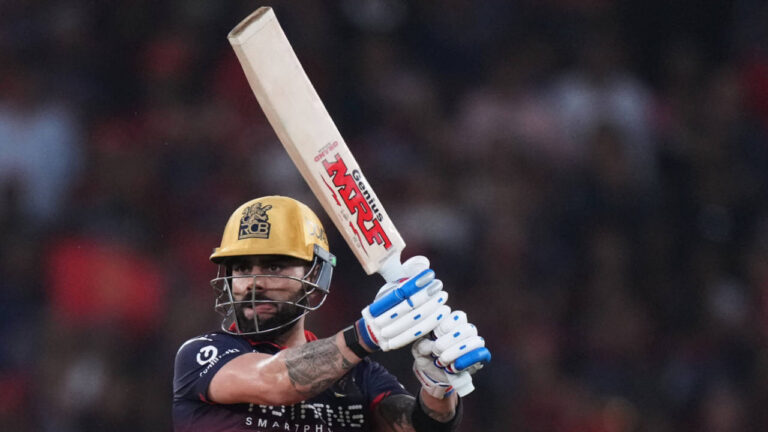
Tom Moody, the global director of cricket for Lucknow Super Giants, believes the secret behind Kohli’s current form is simple: he is enjoying his time at the crease. Speaking on ESPNcricinfo’s TimeOut show, Moody remarked, Kohli has ‘let himself go and he’s having fun,’ says Moody. According to the veteran coach, previous versions of Kohli often approached the crease as if managing a high-stakes business, feeling the heavy burden of anchoring the innings. This season, however, that weight has lifted.
“In previous years, he was batting as a business,” Moody explained. “Now, I see someone just letting everything go and having fun. Because of his brilliance and class, that is increasing everything: the boundaries, his strike rate—it is all there because he has the complete game.”
The Impact of a Balanced RCB Line-up
While the psychological shift is palpable, experts like Varun Aaron point to the tactical evolution of the Royal Challengers Bengaluru (RCB) squad as a critical factor. For years, RCB relied heavily on a top-heavy structure featuring legends like Chris Gayle, AB de Villiers, and Kohli himself. The current iteration of the team provides a more robust support system.
With players like Rajat Patidar, Devdutt Padikkal, Tim David, Krunal Pandya, Phil Salt, and Venkatesh Iyer providing depth, the pressure on Kohli has significantly diminished. Aaron noted, “There is a reason he is having more fun because he has a middle order that he can rely on. Now he knows that even if he gets out, there are others. Most big players, if they have batsmen behind them, they just know they can unleash their best on the bowling attack.”
Redefining the Powerplay and Beyond
Statistically, the change is undeniable. In IPL 2026, Kohli attempted to hit a boundary on nearly 47% of the balls he faced in the powerplay. This aggressive intent has not been seen in his career since his record-breaking 973-run season in 2016, where his strike rate was 152.03. Ambati Rayudu highlighted that Kohli has developed a new instinct for T20 cricket: focusing purely on maximizing the next delivery rather than planning for a deep, 20-over block.
“He has formed a completely new instinct in terms of his T20 batting,” Rayudu said. “He does not want to plan too far ahead. He is looking at the next delivery and how he can maximize it, and that is quite extraordinary for a guy who always wanted to bat deep.”
Silence of the Critics
Throughout his storied career, Kohli has faced criticism regarding his strike rate and his ability to counter spin bowling in the middle overs. Moody believes those debates are now firmly in the rearview mirror. By evolving alongside the game—specifically adapting to the demands of the Impact Player rule and the necessity for quick, explosive scoring—Kohli has silenced his detractors.
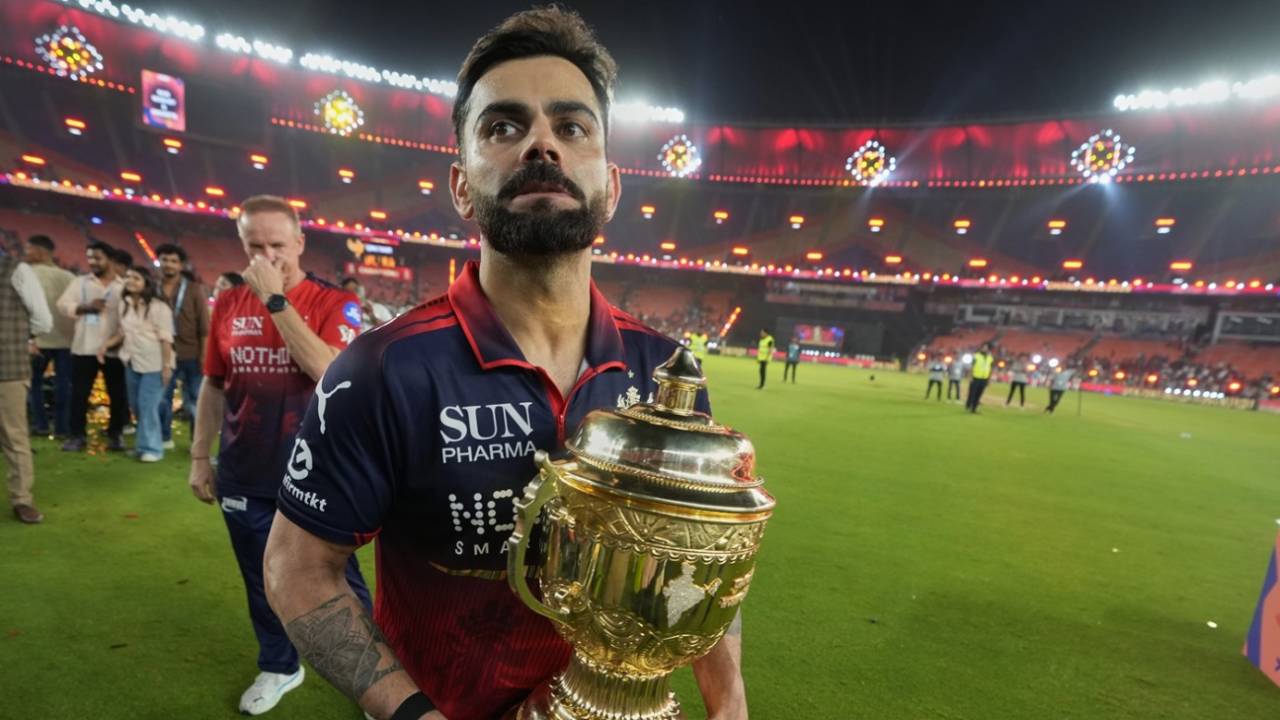
“He is now just playing for fun,” Moody concluded. “You can see the joy in what he does out there. There is less tension; he just goes out there, and it is a day at the office.” As RCB celebrates consecutive IPL titles, it is clear that this relaxed, joyful version of Virat Kohli is perhaps his most dangerous yet.