Vikram Solanki blames Ashish Nehra for costly Nishant Sindhu mistake in IPL 2026
A Tactical Gamble That Backfired
The IPL 2026 final at the iconic Narendra Modi Stadium in Ahmedabad will be remembered for more than just the crowning of the Royal Challengers Bengaluru as champions. It will also serve as a case study in high-pressure decision-making that ultimately did not pay off. The Gujarat Titans, having reached the summit clash with immense momentum, found themselves embroiled in a post-match controversy after Director of Cricket Vikram Solanki blames Ashish Nehra for costly Nishant Sindhu mistake in IPL 2026 final, sparking a debate across the cricketing world.
The controversy centers on a specific tactical shift during the first innings. When Gujarat Titans captain Shubman Gill fell for just 10 runs, the expectation from fans and experts alike was for a seasoned campaigner to stabilize the innings. With the legendary Jos Buttler sitting in the dugout, the move seemed obvious. Instead, the management opted to promote the young Nishant Sindhu to the crucial number three position, a decision that proved to be a turning point in the match.
Analyzing the Sindhu Selection
Nishant Sindhu’s time at the crease was characterized by a lack of rhythm and significant pressure. Facing 18 deliveries, the left-hander managed to score only 20 runs, striking three boundaries but failing to find the fluidity required in a final. His eventual dismissal in the eighth over—a mistimed pull shot off Rasikh Salam caught by Devdutt Padikkal—reduced the Titans to a fragile 55/3. The momentum, which had been building steadily, was stifled by the middle-order collapse that followed.
Critics, including RCB legend AB de Villiers, were swift to condemn the decision. De Villiers, known for his incisive analysis, did not mince words during the broadcast, calling the move “defensive” and questioning the logic behind delaying the entry of a world-class batter like Jos Buttler in such a pivotal encounter. The frustration from the commentary box mirrored the sentiment of the GT faithful who felt that a more aggressive approach was necessary to post a winning total.
The Fallout: Solanki Opens Up
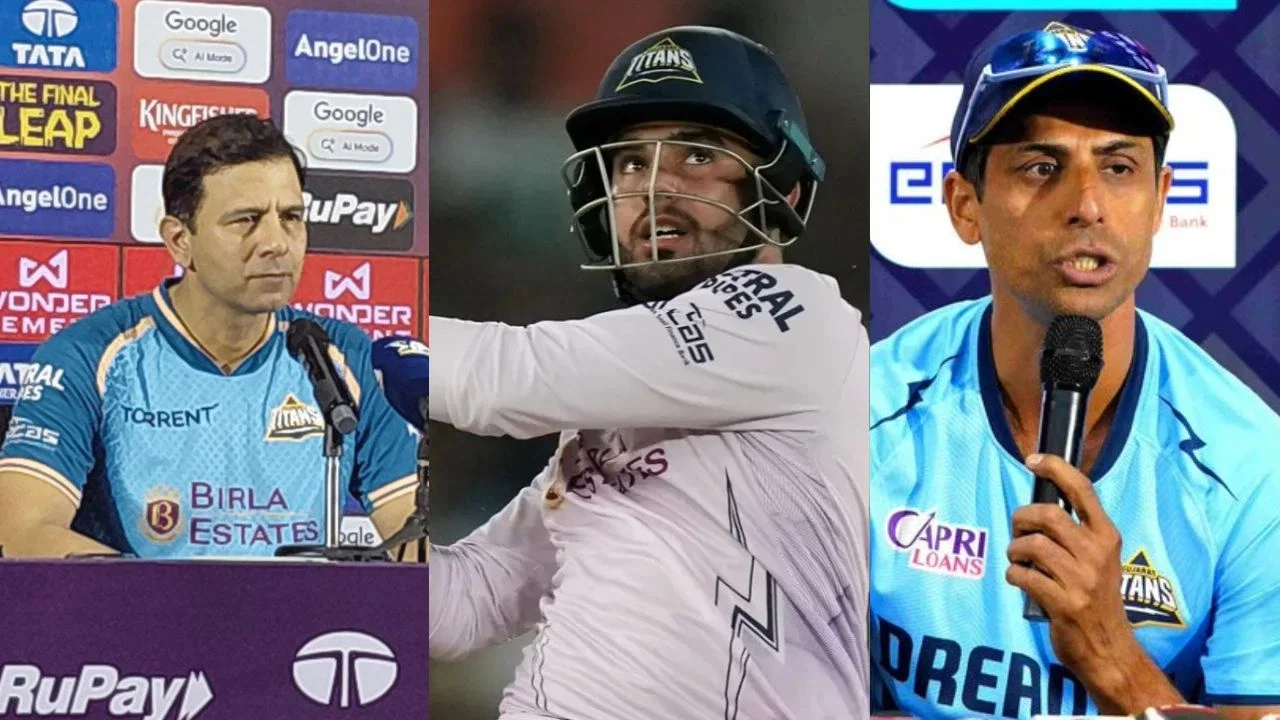
Following the defeat, the spotlight turned to the decision-making process within the GT camp. When pressed about the rationale behind the batting order shuffle, Vikram Solanki provided a transparent, albeit surprising, answer. He explicitly pointed toward head coach Ashish Nehra, highlighting that the tactical calls were firmly within the coach’s domain during the heat of the game.
“We didn’t really discuss it, but Ashish makes those calls now and again, if the captain’s around, in conjunction with the captain,” Solanki explained. He further clarified, “Nishant Sindhu, that was a bit of a judgement call. Ashish made that call to send him in at three at that time.” This admission has effectively shifted the narrative of the loss from individual player performance to a broader critique of coaching strategy.
Impact on the Final Score
The decision had a cascading effect on the Titans’ innings. Jos Buttler, who eventually arrived at the crease, struggled to regain the momentum lost earlier, finishing with a modest 19 runs off 23 balls. The Gujarat Titans were ultimately restricted to a total of 155/8, a score that Solanki himself admitted was sub-par. Reflecting on the result, the Director of Cricket noted, “I think we were probably 20-25 runs short, but it was exceptional to see the fight and the hunger the guys showed to bring that game so close to the finish.”
Looking Toward the Future
Despite the sting of defeat, there remains a sense of pride within the Gujarat Titans organization regarding their overall campaign. Solanki was quick to offer his congratulations to the Royal Challengers Bengaluru for their clinical performance. The focus now shifts to the lessons learned from this final. While the decision to promote Sindhu will remain a point of contention for months to come, it serves as a stark reminder of the fine margins that define professional T20 cricket. As the dust settles on IPL 2026, the discussion surrounding coaching influence and tactical adaptability will undoubtedly continue to evolve, with the “Sindhu incident” remaining a central pillar of that conversation.
- Key Takeaway: Tactical decisions in high-pressure finals are scrutinized heavily.
- Result: GT fell short by 20-25 runs.
- Conclusion: The team remains proud of their overall tournament journey despite the final hurdle.