SLC relieved at ICC’s mild response to Transformation Committee
A New Chapter for Sri Lankan Cricket
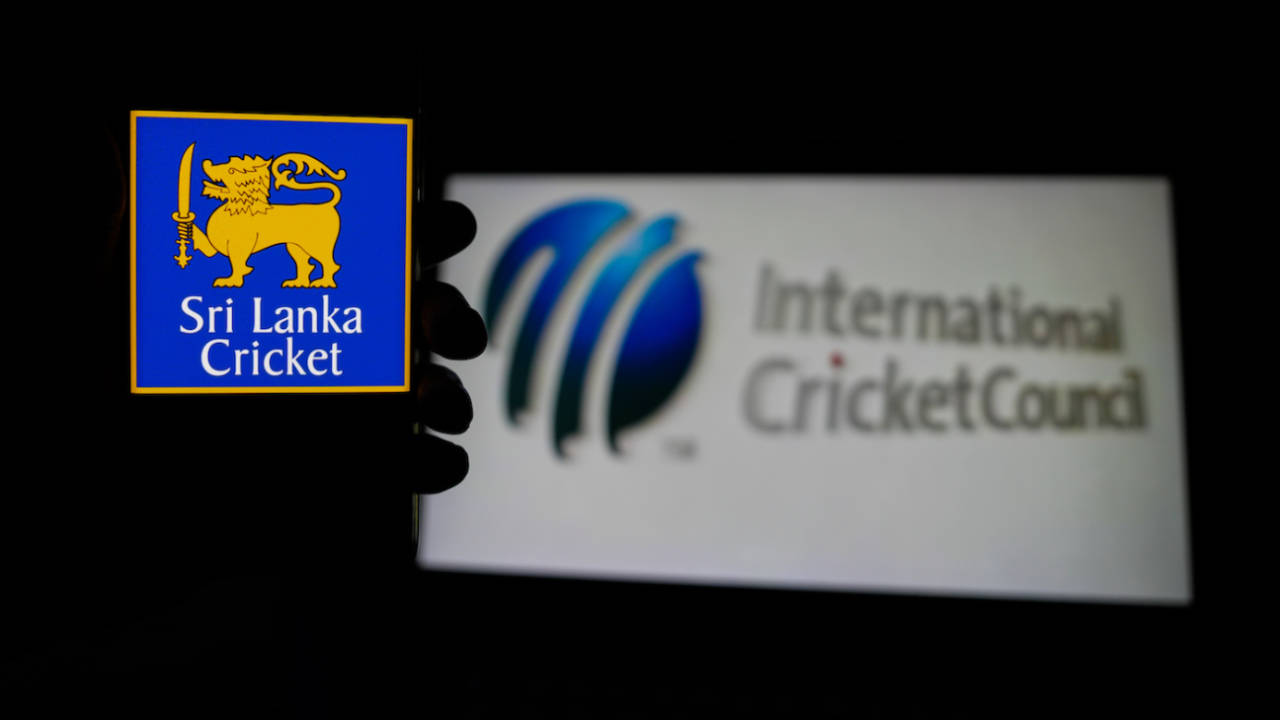
In a development that has surprised many observers, Sri Lanka Cricket (SLC) finds itself in a period of cautious optimism. Despite the significant upheaval caused by the appointment of a government-backed Transformation Committee, the International Cricket Council (ICC) has maintained a surprisingly measured stance. While the board members in Colombo were not invited to the recent quarterly ICC meeting in Ahmedabad, the absence of punitive sanctions is being viewed as a major victory.
The Transformation Committee and Government Intervention
The Transformation Committee was established in May by the Sri Lankan government, effectively replacing the previously elected office-bearers. Given the ICC’s stringent stance on government interference—a policy that led to sanctions in both 2015 and 2023—many feared that the latest administrative overhaul would trigger an immediate suspension. In 2023, the ICC had gone as far as suspending SLC from its board, citing ministerial overreach as a primary concern. However, this time, the narrative has taken a different turn.
Why the ICC’s Stance Matters
Following the installation of the new committee, the ICC dispatched Deputy Chair Imran Khwaja to Colombo for a fact-finding mission. Despite the gravity of the situation, no tangible consequences or sanctions have followed the most recent ICC gathering. A member of the Transformation Committee noted that the prevailing sentiment is that “no news is good news,” suggesting that the current lack of intervention from Dubai is a positive sign for the future of the sport in the country.
The official ICC statement regarding the matter remained brief and neutral, stating: “In Sri Lanka, ICC Deputy Chair Imran Khwaja and Devajit Saikia (BCCI) have visited and met with relevant stakeholders to assess ongoing developments.” This diplomatic approach stands in stark contrast to previous interventions, providing the local authorities much-needed breathing room to execute their mandate.
The Goal: Constitutional Reform
The Transformation Committee, led by former politician Eran Wickramaratne, has been vocal about its primary objective: the total revision of the outdated SLC constitution. The committee argues that the current governance structure is disconnected from the needs and expectations of the Sri Lankan public. Wickramaratne has emphasized that the process is inclusive, aimed at gathering feedback from all relevant stakeholders rather than imposing top-down dictates.
“Even in the debates in parliament, which were not driven by party loyalties, it has been acknowledged that there has to be a change at Sri Lanka Cricket,” Wickramaratne explained. “The job we have is to change the SLC constitution. The stakeholders in that change are the Sri Lankan people. The people can give their ideas. Other stakeholders can also express their ideas. We thought our first role is to listen to those ideas.”
Looking Toward the Future
As the committee continues its work, the administration in Colombo remains hopeful that they will be invited to participate in future ICC meetings. Being excluded from international forums limits the influence of the board and prevents them from advocating for the interests of their players and fans on the global stage. While the ICC has yet to respond to queries regarding future participation, the current lack of disciplinary action provides a foundation for stability.
The cricket-loving nation is now watching closely to see if this period of calm will lead to a more transparent and effective governance structure. By focusing on constitutional reform and public engagement, the Transformation Committee hopes to avoid the pitfalls of the past and secure a sustainable future for the game. For now, the stakeholders remain in a state of “wait and see,” buoyed by the fact that the international governing body is still engaging with them rather than shutting them out.
Ultimately, the challenge for the Transformation Committee lies in proving that this governance structure can be truly independent and efficient, ensuring that the sport thrives despite the turbulent political backdrop that has often threatened its integrity. Whether this mild response from the ICC will hold in the long term remains to be seen, but for the immediate future, Sri Lanka has managed to navigate a potentially disastrous situation without further international isolation.