Aakash Chopra sends “he’s not Indian cricket” warning to selectors over Vaibhav – Aakash Chopra Warns Selectors Against Rushing Vaibhav Sooryavanshi
The Rise of a Teenage Phenomenon
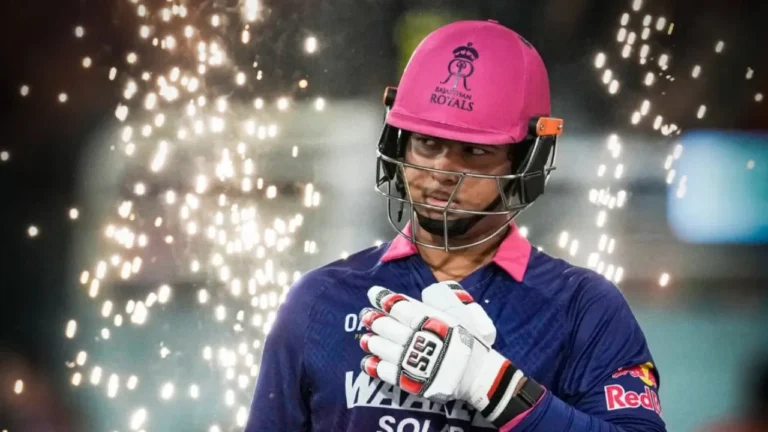
The 2026 edition of the Indian Premier League (IPL) has unearthed a true prodigy in 15-year-old Vaibhav Sooryavanshi. Representing the Rajasthan Royals, the young left-handed batter has dismantled bowling attacks with ease, shattering records and capturing the imagination of cricket fans across the nation. His meteoric rise has naturally sparked intense discussions regarding his immediate inclusion in the India National Cricket Team, especially now that he meets the ICC minimum age requirements for international competition.
Aakash Chopra’s Measured Perspective
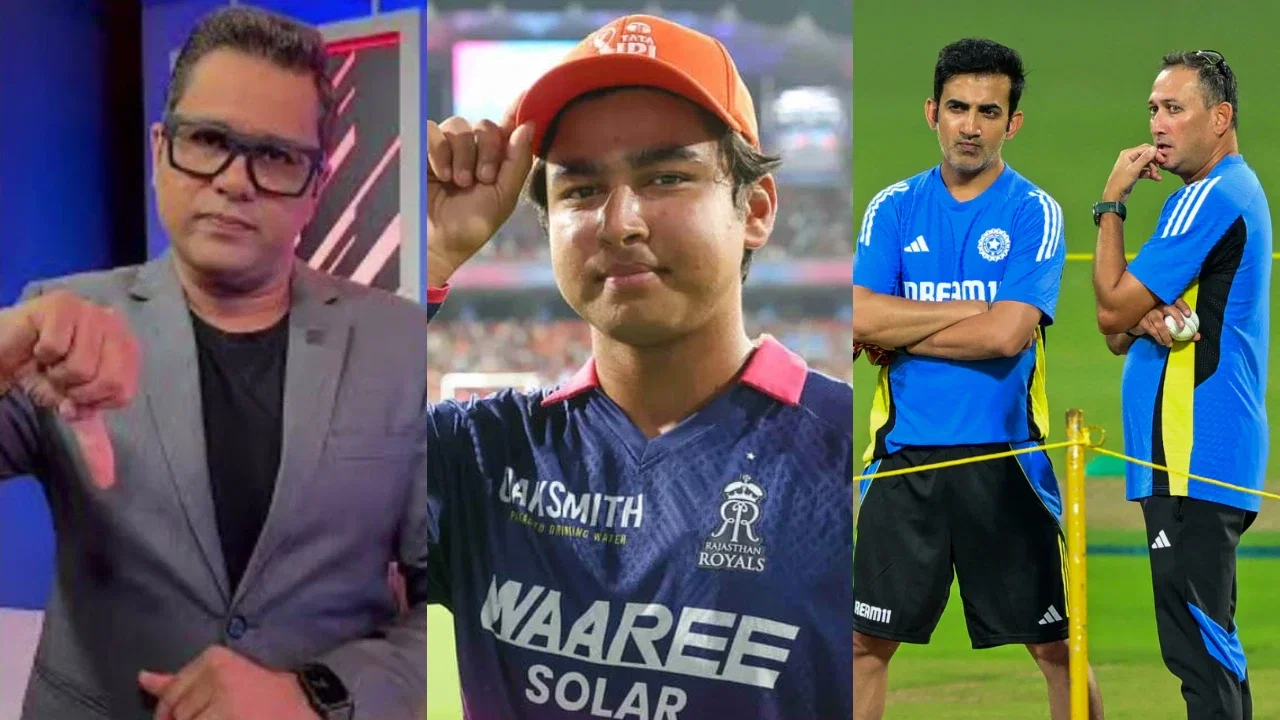
While the excitement surrounding Sooryavanshi is palpable, former Indian cricketer and seasoned commentator Aakash Chopra has offered a sobering perspective. Despite acknowledging that the teenager is undeniably ‘special,’ Chopra has strongly advised the BCCI and the national selectors to resist the urge to fast-track him into the senior international side. The core of Chopra’s argument lies in the stability of the current Indian batting lineup, which features established performers who are currently hitting their stride.
Chopra highlighted that players like Abhishek Sharma and Sanju Samson are already performing at an elite level during the ongoing IPL season. In his view, replacing top-performing players simply because a new sensation has emerged is an illogical approach to team building. As Chopra aptly put it, if an existing player is a ‘topper’ in their role, replacing them based on the potential of another talent creates unnecessary disruption rather than competitive growth.
The Long-Term Vision for Indian Cricket
A significant portion of the debate centers on the difference between being a part of Indian cricket and representing the entirety of the sport’s identity. Chopra stressed that while Sooryavanshi represents the future, he is not, in himself, the entirety of Indian cricket. By placing excessive pressure on a 15-year-old to carry the national team’s burden prematurely, selectors risk the youngster’s long-term development.
Chopra noted, ‘He’s 20 years ahead of him, so there’s no rush.’ This sentiment is echoed by those who believe that a structured transition, such as the one the BCCI is currently pursuing by selecting him for the India A squad for the upcoming Sri Lanka tour, is the most prudent path forward. Allowing Sooryavanshi to gain experience at the A-team level provides a necessary bridge between domestic brilliance and the rigors of international cricket.
Avoiding the Pitfalls of Hype
The commentator also warned against the cyclic nature of public scrutiny. If selectors fast-track a player solely due to social media hype and temporary form, that same player becomes an easy target for criticism the moment they endure a natural, inevitable dip in form. By managing expectations and easing the transition, the selectors protect the player from the crushing weight of public demand.
Ultimately, the consensus among experts remains clear: the talent is undeniable, and the future looks incredibly bright for the young batter. However, Indian cricket has historically benefited from a patient approach to grooming its young stars. With the next World Cup still two years away, the national selectors have the luxury of time to integrate new talent systematically. As Aakash Chopra suggested, the responsibility now falls on the selectors—Ajit Agarkar, RP Singh, and Pragyan Ojha—to make decisions that favor the long-term health of the team rather than reacting to the immediate noise of a single tournament. The focus remains on doing what is right for the structure of the squad, ensuring that when Sooryavanshi does eventually walk out for India, he is fully prepared to handle the intensity of the international stage.