Switch Hit: Curfew kerfuffle – Stokes’ Return, McCullum’s Take & Deciding Test Preview
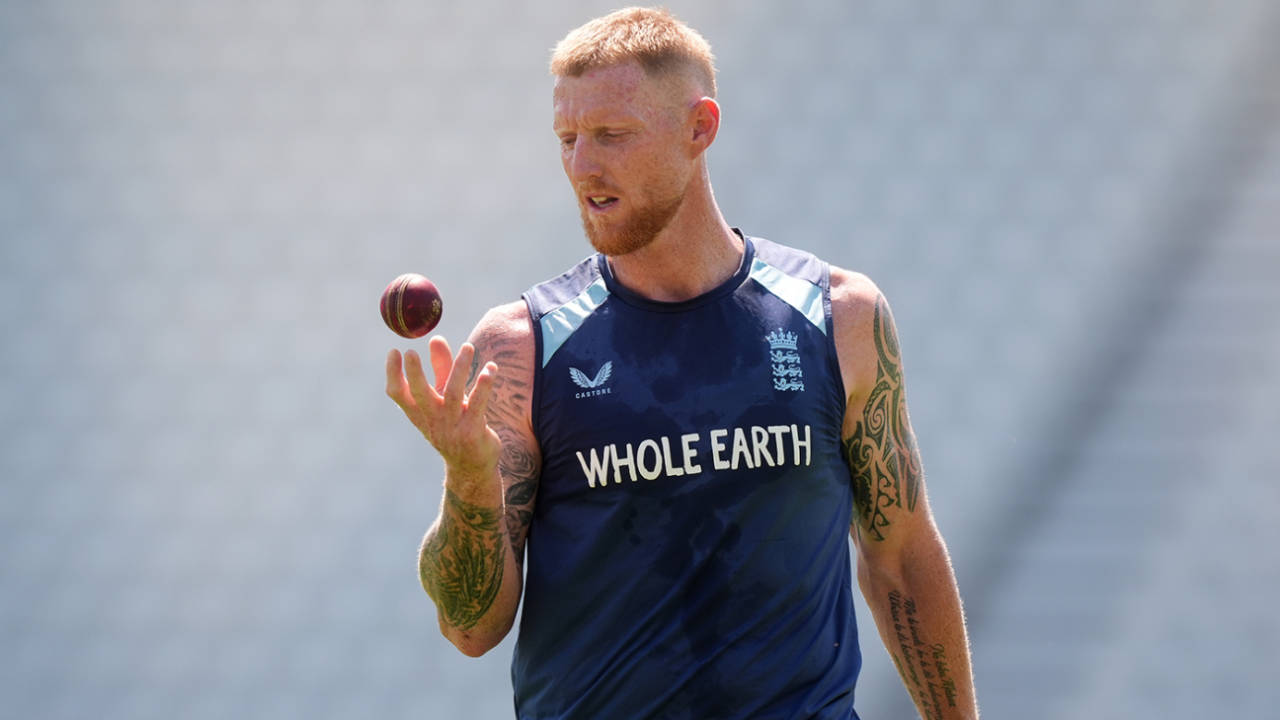
The cricketing world has been abuzz, and not just because of action on the field. The aftermath of a tumultuous fortnight has seen England make a significant, and perhaps controversial, decision: the reinstatement of Ben Stokes as captain for the crucial third Test. This move brings the infamous ‘nightclub-gate’ incident back into sharp focus, leaving many to ponder the true state of affairs within the England camp. Head coach Brendon McCullum has publicly stated that he and Stokes remain “good mates,” a sentiment intended to reassure, but does it truly put the lid on what has become known as the “Switch Hit: Curfew kerfuffle”? This article aims to unravel the layers of this complex situation, exploring the implications for Stokes, the team, and the English Cricket Board (ECB) as a decisive Test looms.
The Return of Ben Stokes: Captaincy Under Scrutiny
Ben Stokes’ leadership has always been a blend of raw talent, aggressive strategy, and an undeniable will to win. His previous tenure saw England achieve remarkable success, revolutionizing their Test cricket approach. However, the recent off-field distractions have cast a shadow. The decision to bring him back into the captaincy for such a pivotal match suggests a strong belief in his ability to compartmentalize and lead from the front. Yet, questions linger: Is this a move born of necessity, or a genuine conviction that Stokes is the best man for the job, despite the recent controversies? The pressure on him will be immense, not only to perform individually but also to unify a squad that has experienced a period of intense scrutiny and potential internal friction.
Nightclub-Gate: A Lingering Shadow
The specifics of “nightclub-gate” have fueled considerable debate. While details remain somewhat guarded, the public narrative points to an incident that raised concerns about player discipline and adherence to team protocols, particularly curfews. Such occurrences, regardless of their severity, invariably invite media speculation and public judgment. For a team striving for consistency and a positive image, these distractions are unwelcome. McCullum’s assertion that he isn’t worried about Stokes anymore is a strong vote of confidence from the coach. However, the question remains whether this personal assurance translates into full organizational endorsement without further public clarification or accountability. The incident itself, dubbed the “Switch Hit: Curfew kerfuffle” in media circles, has become a significant talking point, diverting attention from the sport itself.
McCullum’s Stance and the ECB’s Responsibility
Brendon McCullum’s public defense of Stokes highlights the bond between captain and coach, a relationship often crucial for team success. His focus is clearly on moving forward and maintaining team harmony. However, the ECB has a broader responsibility. Beyond individual relationships, they must uphold standards of conduct and ensure accountability. Should the ECB be more concerned about the optics and the potential long-term impact of such incidents? This isn’t merely about personal friendships; it’s about the integrity of the national team. Many voices within the cricketing community believe that a more explicit statement or action from high-ranking officials, perhaps even from the Managing Director of England Men’s Cricket, Rob Key, might be necessary to fully address public concerns and reinforce disciplinary expectations.
The Media and Public Perception
The role of the media in shaping narratives is undeniable. Stokes has, in the past, been critical of media intrusion and scrutiny. There’s a prevailing question: will he, or the team management, attempt to shift blame onto the media for blowing the incident out of proportion? While media scrutiny is part and parcel of professional sport, it also serves to hold public figures accountable. Navigating this relationship will be key for Stokes. A transparent and direct approach, focusing on future performance and discipline, might serve him and the team better than any attempt to deflect responsibility. The “Switch Hit: Curfew kerfuffle” has certainly given the press plenty to discuss, and how Stokes responds to this spotlight will be watched closely.
The Deciding Test: A Sporting Crucible
Amidst all the off-field drama, the most immediate and tangible challenge lies ahead: a deciding Test match. This fixture, usually a pure sporting spectacle, now carries added weight. The team’s performance will inevitably be viewed through the lens of recent events. Can Stokes inspire his team to a victory that transcends the controversies? Will the collective focus be solely on cricket, or will the “nightclub-gate” incident hover in the background, subtly influencing morale or decision-making? A strong performance and a series win would undoubtedly provide a much-needed positive narrative, potentially overshadowing the recent “Switch Hit: Curfew kerfuffle.” Conversely, a defeat could intensify scrutiny and reignite questions about leadership and team discipline.
The stakes are incredibly high. For England, it’s an opportunity to demonstrate resilience and unity under pressure. For Ben Stokes, it’s a chance to reaffirm his leadership qualities and immense value to the team. And for the fans, it’s a test of faith, hoping that the focus can return fully to the captivating game of cricket itself. The coming days will reveal whether England can turn this period of uncertainty into a triumphant statement on the field.