BBL explainer: what does the Melbourne merger mean, and what happens next?
The landscape of Australian cricket has been significantly stirred by recent developments concerning the proposed introduction of private investment into the Big Bash League (BBL). A period of considerable upheaval and uncertainty has ensued, leaving many stakeholders questioning the ultimate trajectory of the league. While formal processes are yet to fully unfold, with critical decisions pending a meeting between state executives, chairs, and Cricket Australia (CA) in Melbourne, the implications are already profound.
The key vote on whether to advance to the next phase of the privatisation plan is slated for June 15. Until then, much remains in flux. This comprehensive analysis aims to dissect the current situation, outlining what is currently understood, what remains speculative, and the potential developments that could shape the future of the BBL.
Will There Be Eight Teams in the BBL Next Season?
Unequivocally, yes. The structure of the BBL for the upcoming season is guaranteed to feature eight teams. There has been no indication from Cricket Australia of any intention to alter the competition’s framework for the 2026-27 season. Furthermore, any proposed private investment, should it be approved, is not scheduled to integrate into the competition until the 2027-28 season. Therefore, the next BBL season will proceed with eight teams, each competing in ten home and away matches, followed by the finals series. Notably, two of these eight teams will continue to be based in Melbourne.
The Future of Melbourne Stars and Melbourne Renegades in the Upcoming Season
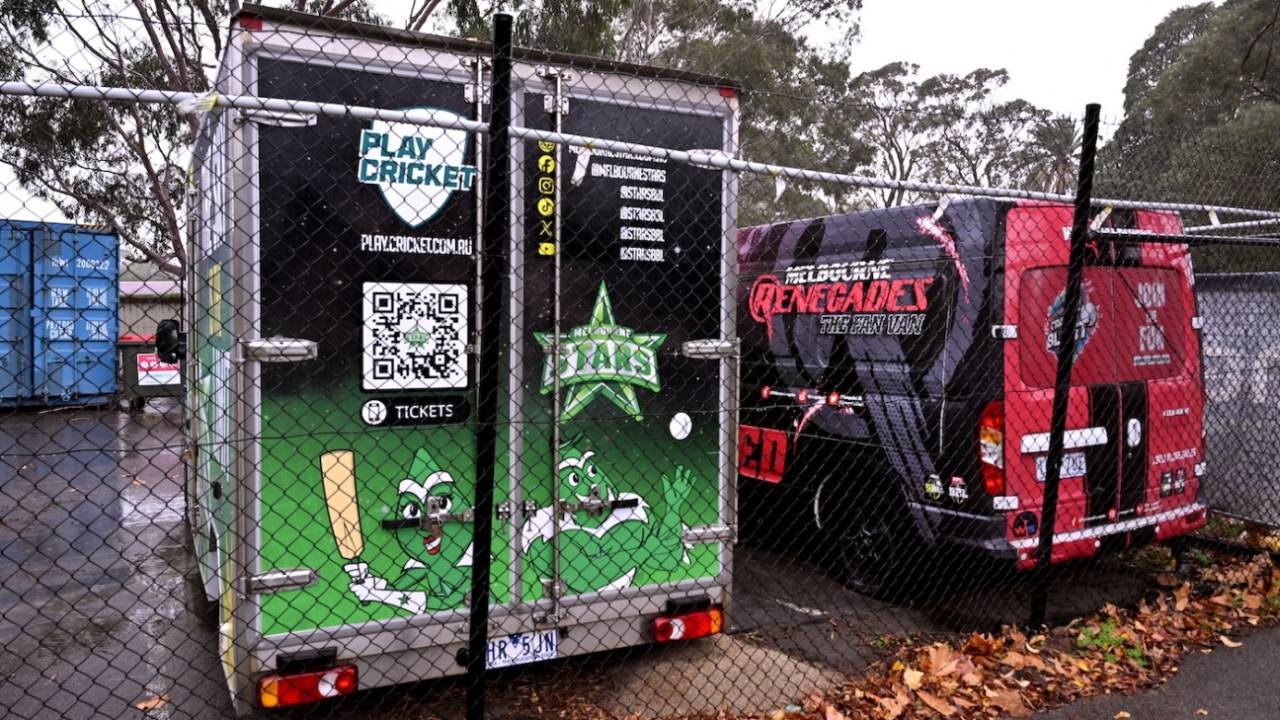
This particular aspect represents the epicentre of the recent controversy. Cricket Victoria (CV) made a significant announcement on Tuesday, revealing its administrative decision to merge the operational facets of the two Melbourne-based BBL teams under a singular brand. This new entity would be managed by CV and would adopt a new nickname and colours. The stated long-term intention is to sell the second team, currently known as the Melbourne Renegades, to a private investor prior to the 2026-27 season. This investor would then have the liberty to rename and rebrand the team, a model observed in several Hundred franchises that were sold last year.
Following considerable backlash from various quarters on Wednesday, CA chief executive Todd Greenberg acknowledged his awareness of Cricket Victoria’s intentions. However, he stressed that substantial work remains to be done and that no decisions or approvals have been formally granted. Considering the administrative steps already undertaken by CV, it appears increasingly improbable that a team bearing the name ‘Stars’ will feature in the competition next season. Nevertheless, the situation remains fluid, with no definitive confirmations. While a ‘Renegades’ team might still participate, its exact form and identity remain subject to considerable uncertainty.
Operational Feasibility of the Proposed Merger
The practical implementation of these proposed changes within a condensed timeframe raises pertinent questions. It appears challenging to envisage such fundamental shifts occurring within five months, especially given that the hybrid privatisation model itself has not yet received formal approval. This timeline is further complicated by the necessity of testing the market for potential buyers and subsequently executing a formal license purchase process. Despite these considerable hurdles, CV chief executive Nick Cummins has expressed confidence in the feasibility of completing these steps within a few months, citing that the necessary administrative preparations within the organisation have already been initiated.
Furthermore, a contingency plan is reportedly in place for the Renegades should a prospective buyer not materialise in time. This plan involves the formation of a caretaker administration tasked with managing the team in its current ‘Renegades’ form, ensuring its participation in the interim.
Motivations Behind Cricket Victoria’s Strategy
Cricket Victoria’s strategic calculus is rooted in a desire for enhanced operational efficiency and financial stability. Victoria had long harboured an intent to fully divest one of its two BBL teams once the decision to embrace privatisation was made. This would allow CV to manage the remaining team more efficiently, potentially with a 49% private investor, mirroring the approaches planned by Western Australia and Tasmania for their respective single teams, Perth Scorchers and Hobart Hurricanes. Historically, Victoria has encountered difficulties in adequately distributing resources across its two franchises.
The state’s financial position was also significantly impacted by the Covid-19 pandemic, more so than many other states, influencing its perspective on future-proofing cricket within its jurisdiction. The decision to merge the Stars and Renegades brands under a new, unified name stems from comprehensive polling of member focus groups conducted earlier in the year. Insights from these groups indicated that Renegades fans expressed reluctance to support the Stars if their team was simply renamed and sold. Conversely, neutral Victorian residents who did not align with either existing team indicated a preference for supporting a team representing state colours. By attempting to unite two fan bases rather than alienating one, CV aims to cultivate broader support.
The timing of this controversial announcement, made two weeks prior to the crucial privatisation vote, was reportedly driven by concerns over potential staff and sponsor attrition due to lingering uncertainty regarding the short-term future of the franchises. Cummins highlighted a sense of urgency, particularly after the initial privatisation proposal faced rejection in April.
Reactions from Other States to Victoria’s Initiative
The announcement from Cricket Victoria was met with significant consternation, particularly from New South Wales, Queensland, and South Australia. These three states promptly demanded an emergency teleconference with Cricket Australia, held on Thursday, to voice their profound frustration at being blindsided by Victoria’s unilateral declaration. They also raised questions regarding CA’s potential complicity in allowing such an announcement to precede the critical state meetings and the vote on advancing the privatisation plan. Western Australia and Tasmania also participated in the call, which included CEOs and chairs from five states, alongside CA chief executive Todd Greenberg and CA chair Mike Baird. Notably, Victoria was not invited to join this emergency discussion.
Prior to the call, Cummins had distributed an email to his state counterparts and attempted individual conversations to explain Victoria’s actions. Following the teleconference, Greenberg issued a statement acknowledging that