No Babar Azam! Mohammad Yousuf names Pakistan’s greatest cricketers after historic 1,000th ODI
A Milestone Celebration and a Surprising List
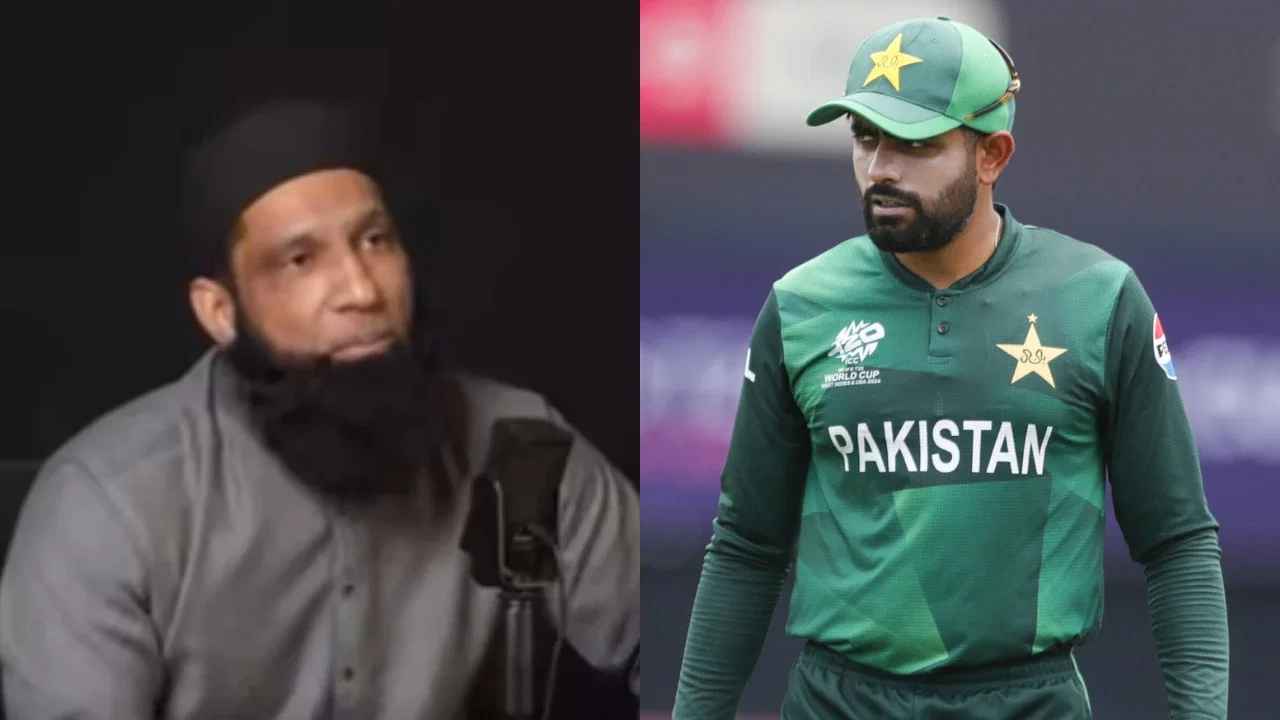
The Pakistan national cricket team recently achieved a monumental milestone in its rich cricketing history by securing its 1,000th ODI victory. This historic win, achieved with a convincing five-wicket performance against Australia in Rawalpindi, set the stage for celebratory reflections across the cricketing world. However, while the win was significant, the conversation quickly shifted to a list provided by former batting legend Mohammad Yousuf, who revealed his choices for Pakistan’s greatest-ever cricketers.
To commemorate this 1,000th ODI triumph, Yousuf took to social media to share his dream team lineup across various roles. What struck many fans and pundits immediately was the notable exclusion of Pakistan’s current captain and modern-era superstar, Babar Azam. By omitting one of the most prolific run-scorers in contemporary cricket, Yousuf ignited a spirited debate regarding the criteria for greatness.
The Icons of Pakistani Cricket According to Yousuf
In selecting his list, Yousuf leaned heavily on the legends who defined eras of dominance for the Men in Green. His selections highlight the immense depth of talent that has graced the nation’s jersey over the decades:
- Best Captain and All-rounder: Imran Khan. As the architect of Pakistan’s 1992 World Cup victory, Khan remains the undisputed choice for leadership. In his illustrious career, he scored 3,709 runs and claimed 182 wickets in 175 ODIs.
- Greatest Fast Bowler: Wasim Akram. The ‘Sultan of Swing’ is widely revered as the greatest left-arm pacer in history. Akram played 356 matches, scoring 3,717 runs and becoming the first bowler to reach 500 ODI wickets.
- Greatest Batter: Saeed Anwar. Renowned for his exquisite timing and elegance, the stylish opener amassed 8,824 runs in 247 ODIs, cementing his status as one of the finest to ever open the batting for Pakistan.
- Greatest Wicketkeeper: Rashid Latif. Selected for his exceptional reflexes and sharp stump skills, Latif recorded 220 dismissals across 166 ODIs, including 182 catches and 38 stumpings.
- Greatest Spinner: Saqlain Mushtaq. As the innovator of the ‘doosra,’ Mushtaq transformed spin bowling. He claimed 288 wickets in 169 ODIs, providing Pakistan with a lethal weapon in the middle overs.
Looking Back at the 1992 Triumph
Beyond his individual player selections, Mohammad Yousuf identified the 1992 World Cup as the most significant moment in Pakistan’s cricketing narrative. The victory in Melbourne against England, led by Imran Khan, remains the only time the nation has lifted the ODI World Cup trophy, serving as a beacon of pride for fans worldwide. This tournament win not only defined that generation but also set the standard for future players, including those performing today.
The Future of Pakistan Cricket
While the debate surrounding Yousuf’s list continues, the present remains bright for the Men in Green. The recent series opener against Australia showcased the potential of the next generation. Debutant spinner Arafat Minhas delivered a spectacular performance, claiming five wickets for 32 runs—a record-breaking debut for a Pakistani bowler on home soil. His spell was instrumental in restricting Australia to a total of 200 runs.
The successful chase was anchored by a gritty 69-run knock from Babar Azam and an impressive 65 from Ghazi Ghori. Their 127-run partnership for the third wicket ensured that Pakistan remained in complete control, guiding them to a 1-0 lead in the three-match series. As the action shifts to Lahore for the remaining matches, the team looks poised to continue their winning momentum, blending the legacy of the greats with the energy of rising stars.