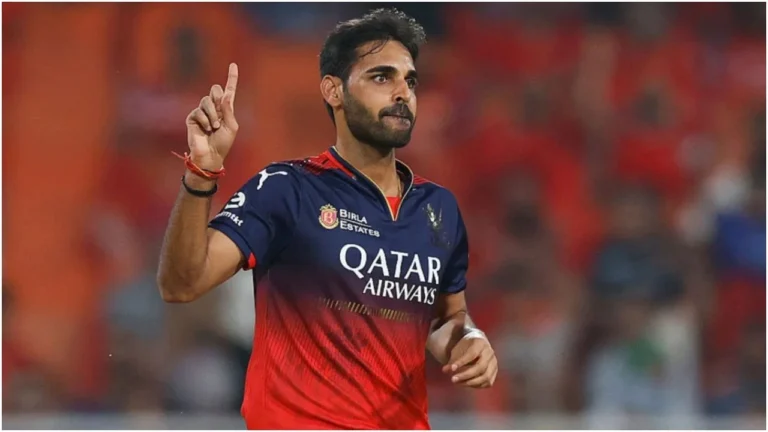
Sachin Tendulkar proposes massive T20 and IPL change; wants Impact Player rule scrapped
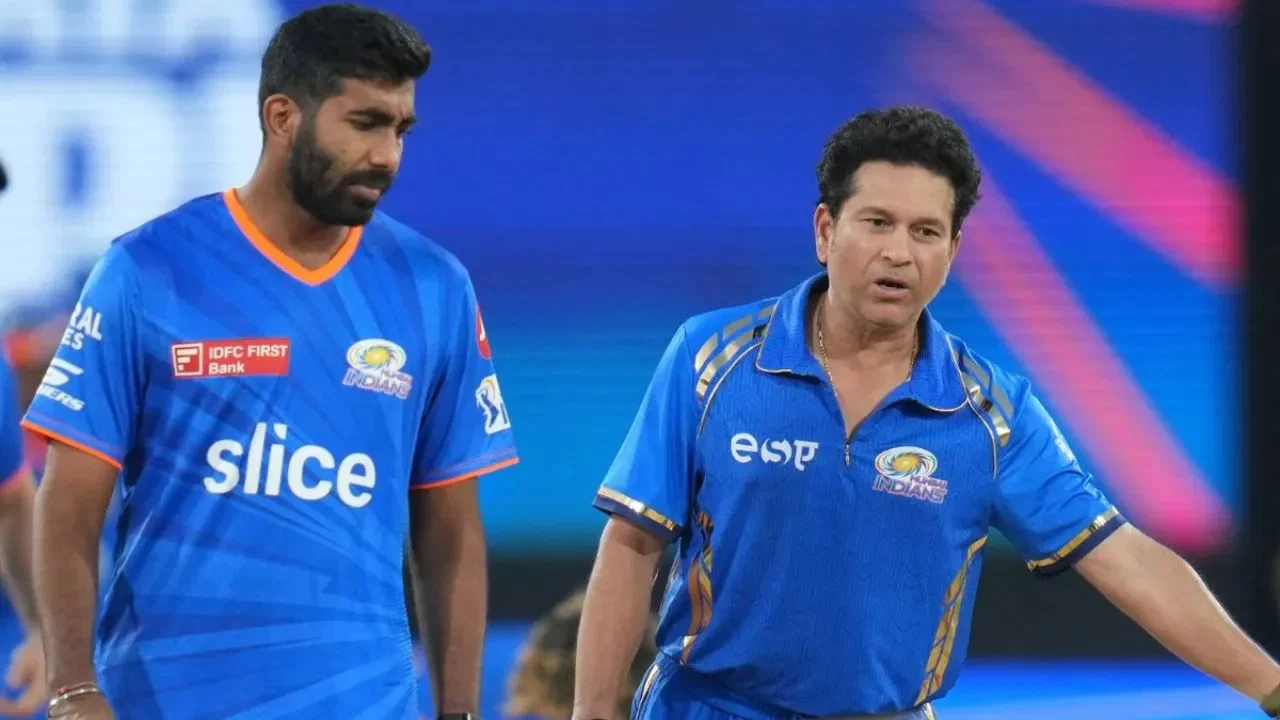
A Vision for the Future of T20 Cricket
The evolution of cricket has been nothing short of extraordinary, with the T20 format fundamentally changing how the game is played, watched, and analyzed. However, as the sport continues to lean heavily toward high-scoring encounters and batting dominance, voices from the legends of the game are beginning to question the sustainability of this trajectory. Indian cricket legend Sachin Tendulkar, a figure who has witnessed the game’s growth for decades, has expressed significant concerns regarding the current state of T20 cricket and the Indian Premier League (IPL).
The Impact Player Controversy
At the heart of Tendulkar’s recent critiques is the controversial ‘Impact Player’ rule. Since its introduction in the IPL, the rule has drawn mixed reactions from fans, experts, and players alike. While it was designed to add tactical depth and excitement to the game, critics argue that it has skewed the balance of power too far in favor of the batting side. Sachin Tendulkar has become the latest high-profile voice to call for the total removal of this rule, arguing that it undermines the fundamental challenge of the game.
By allowing teams to swap in a specialist batsman or bowler mid-match, the Impact Player rule removes the necessity for all-rounders and penalizes teams for poor squad selection. Tendulkar believes that for the betterment of the format, the focus must return to the traditional XI, where every player’s contribution—both in batting and bowling—is essential to the match result.
Restoring the Bowler’s Influence
Tendulkar’s concerns extend beyond just the removal of the Impact Player rule. He is a staunch advocate for restoring the pride and efficacy of the bowling unit. In the modern T20 landscape, bowlers are often treated as mere accessories to batting spectacles. To combat this, Tendulkar has proposed several structural changes aimed at rewarding bowlers and providing them with a fair chance to dictate the tempo of a match.
- Empowering the Bowling Attack: Tendulkar has proposed that at least one bowler should be allowed to bowl five overs in an innings. This change would not only provide a reward for a bowler who is having a standout day but also increase their morale and impact on the overall game.
- Redefining Powerplays: Currently, powerplay restrictions are heavily skewed toward the batting side. Tendulkar suggests a radical split of the powerplay. By introducing a two-over powerplay for the bowling side—where they are granted an additional fielder on the boundary—the game could see a return to strategic bowling contests rather than a one-sided display of hitting.
Why Balance Matters for T20
The beauty of cricket has always lied in the constant tug-of-war between the willow and the leather. When one side becomes excessively dominant, the tactical nuance of the game begins to fade. Tendulkar’s proposals are aimed at revitalizing the ‘spirit’ of the contest. He understands that while T20 is a format built on entertainment, it must maintain a level of competitive integrity to keep fans engaged in the long run.
By ensuring that bowlers have the tools to bounce back and that batting dominance is challenged by smarter, more varied bowling tactics, the game becomes more unpredictable. Whether it is through limiting the impact of substitutions or granting bowlers extra overs to showcase their skill, the goal remains the same: ensuring that the best team on the field wins through overall performance rather than isolated hitting power.
Looking Ahead
As the conversation surrounding the future of the IPL and global T20 leagues heats up, the input of someone with the pedigree of Sachin Tendulkar carries immense weight. The cricketing fraternity is now forced to consider whether the current innovations have truly enhanced the game or merely diluted its complexity. If the goal is to keep cricket as a contest of skills, the recommendations put forward by the ‘Master Blaster’ offer a compelling blueprint for a more balanced and exciting future for the sport.
While it remains to be seen if tournament organizers will adopt these sweeping changes, the debate has officially been ignited. The focus remains on how to keep the game evolving without losing the essence that has defined cricket for generations.