Bhuvneshwar Kumar snubs Jasprit Bumrah; picks Sunil Narine first in death-over challenge
The Art of Death Bowling: A Strategic Masterclass
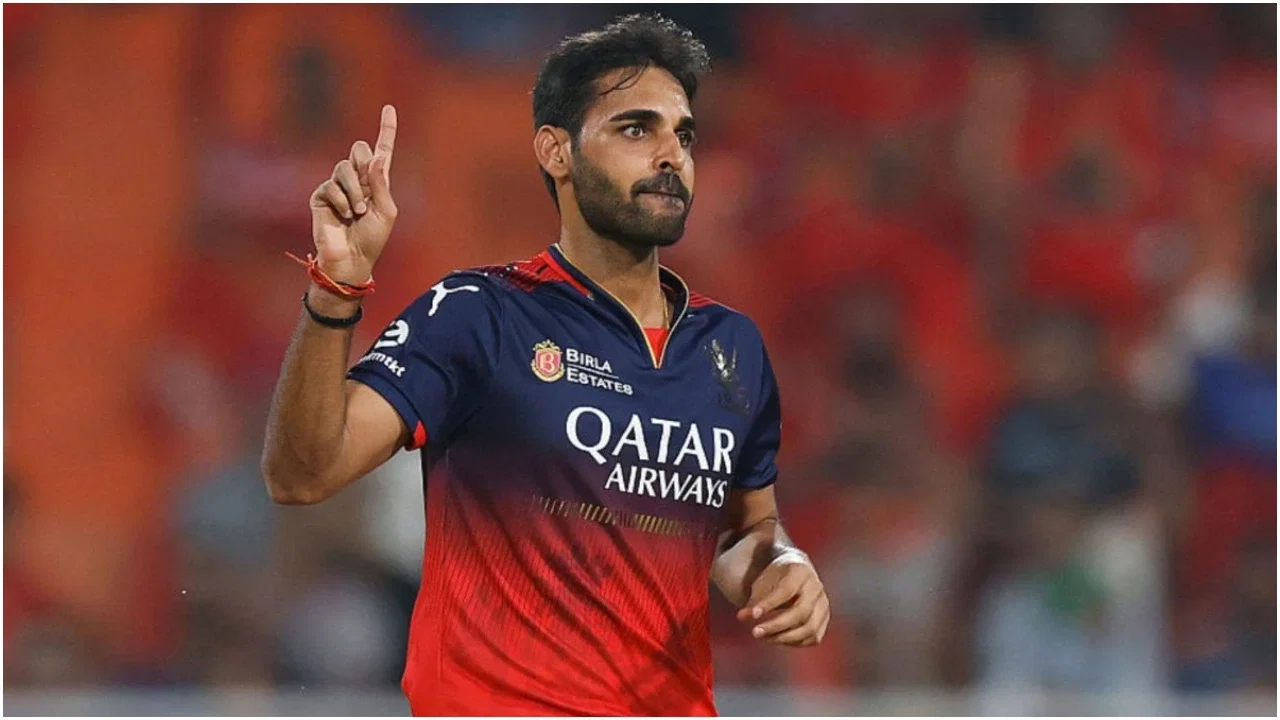
As the IPL 2026 season reaches its crescendo, the conversation surrounding elite bowling performances has intensified. Among the standout stars of this campaign is Royal Challengers Bengaluru’s seasoned pacer, Bhuvneshwar Kumar. Having secured 26 wickets in 15 matches, his contribution to RCB’s journey to the finals has been nothing short of exemplary. His ability to stifle opposition batters during the closing stages of an innings has firmly established him as one of the competition’s premier death-overs specialists.
Recently, the veteran bowler was tasked with an intriguing mental exercise: selecting an ideal five-bowler unit to defend a target of 50 runs off the final five overs. The resulting selection provides a fascinating insight into the tactical mind of a modern-day bowling maestro.
The Opening Salvo: Sunil Narine
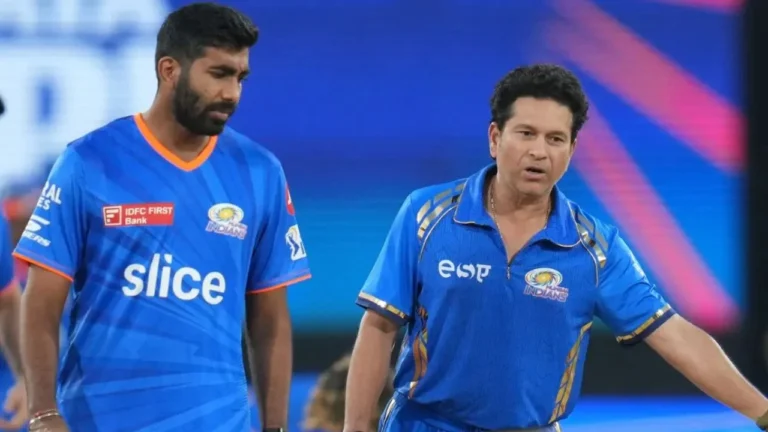
Perhaps the most eye-catching aspect of the selection is that Bhuvneshwar Kumar snubs Jasprit Bumrah; picks Sunil Narine first in death-over c situations. While many would immediately look to a fast bowler to start the final phase, Bhuvi opted for the Kolkata Knight Riders legend to bowl the 16th over. The logic is sound: Narine’s career IPL economy rate of 6.50 makes him a master of pressure. In this hypothetical scenario, the goal is to suffocate the batting side early, and Narine is the perfect candidate to limit the scoring to a mere six runs, effectively shifting the burden of required runs onto the remaining overs.
The Australian Precision: Hazlewood and Starc
For the 17th over, Bhuvneshwar turned to his RCB teammate, Josh Hazlewood. Known for his pinpoint accuracy and lethal yorkers, Hazlewood is tasked with continuing the squeeze initiated by Narine. Bhuvneshwar noted that at this stage, the scoreboard pressure begins to mount significantly for the chasing team.
Following the silent efficiency of the first two overs, the 18th over is designated for Mitchell Starc. While Starc might be viewed as a more aggressive, high-risk option compared to the extreme economy of his predecessors, his role is clear: strike power. Defending a tight total requires more than just dots; it requires wickets. Starc remains one of the finest in the world at breaking partnerships, making him the ideal choice to force a mistake from the batting side.
The Heavy Hitters: Bumrah and Malinga
The 19th over is reserved for Jasprit Bumrah. Despite a challenging individual season, Bhuvneshwar Kumar remains undeterred in his belief regarding Bumrah’s world-class pedigree. He opted for the speedster without hesitation, recognizing that one difficult season does not diminish the immense skill and track record that Bumrah brings to any bowling attack.
Finally, for the crucial 20th over, Bhuvneshwar chose Eshan Malinga from the Sunrisers Hyderabad ranks. Malinga has proven himself to be a revelation in the current season, displaying the temperament required to defend small margins while maintaining a high wicket-taking probability. Together, this quintet represents a balance of spin-based economy, pace-based accuracy, and world-class strike potential.
A Tactical Blueprint for Success
This hypothetical lineup showcases the evolution of T20 bowling strategy. It moves away from the reliance on a single ‘go-to’ bowler and emphasizes the cumulative pressure of five consecutive high-quality overs. By utilizing different bowling styles—from Narine’s spin to the raw pace of Starc and the metronomic accuracy of Hazlewood—a captain can keep the opposition guessing throughout the critical final phase.
As we look toward the conclusion of the IPL 2026 season, the performances of these bowlers serve as a reminder that the death overs are not just about speed; they are a sophisticated chess match between the bowler’s guile and the batter’s desperation. Bhuvneshwar Kumar’s choices reflect a deep respect for both the traditional art of seam bowling and the modern necessity for spin variations in the final stretch.