‘A brand to admire but it comes at a cost’ – Moody wants SRH to invest in bowler – Tom Moody Urges SRH to Balance Batting Power with Bowling Investment
The Cost of an Explosive Brand
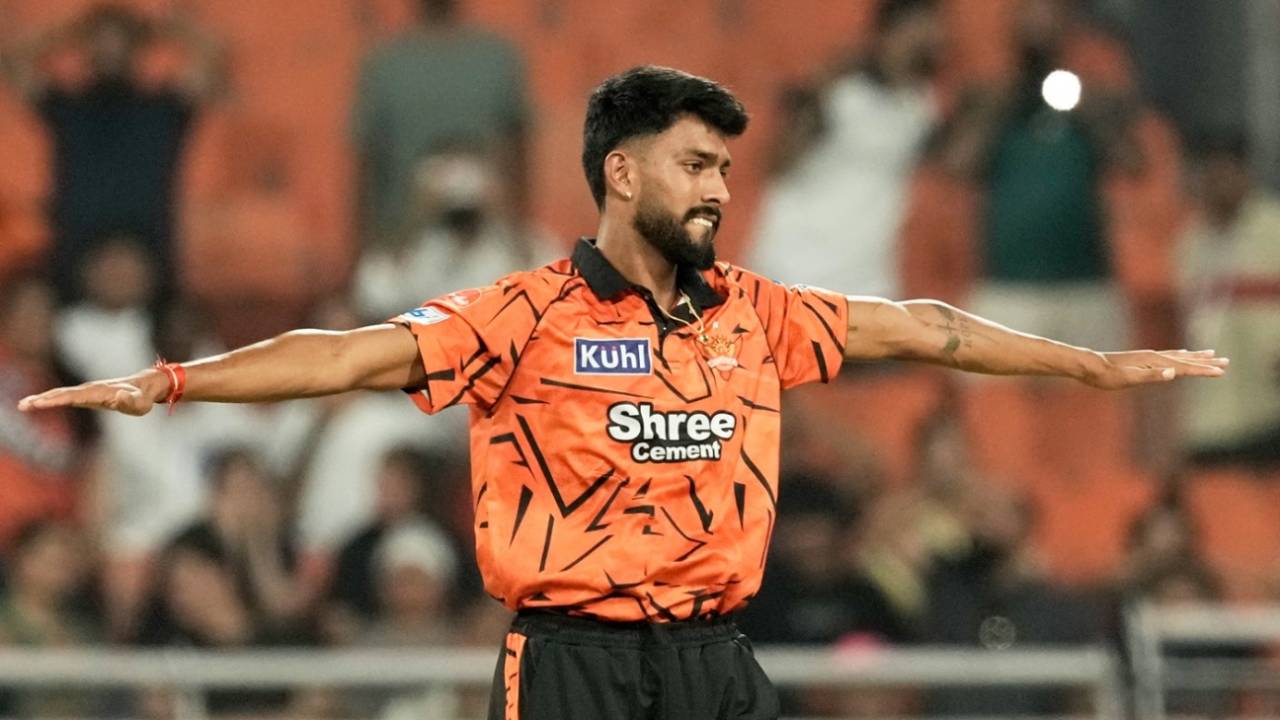
Sunrisers Hyderabad (SRH) concluded their IPL 2026 campaign with a sense of both pride and frustration. Winning nine out of 14 league-stage matches is no small feat, yet failing to secure a top-two finish—and subsequently bowing out in the Eliminator—has sparked a critical debate. While the management remains satisfied with their progress, former head coach Tom Moody believes the team is paying a heavy price for its one-dimensional approach.
The Batting Dominance
There is no denying the spectacle that SRH provided this season. Their top order was consistently explosive, featuring Heinrich Klaasen (624 runs), Ishan Kishan (602 runs), and Abhishek Sharma (563 runs). Even with Travis Head experiencing a relatively quiet patch by his standards, the firepower was immense. Supported by Nitish Kumar Reddy, this batting unit was arguably one of the most feared in the competition. However, Moody argues that this “brand of cricket” consumes the vast majority of the franchise’s financial resources, leaving little room to construct a balanced bowling attack.
The Bowling Deficit
While the batters grabbed the headlines, the bowling unit struggled to maintain consistency. Eshan Malinga and Sakib Hussain were the highlights, but they often lacked the necessary support to defend competitive totals. The absence of a world-class spinner was glaring, and the high-profile signing of Pat Cummins—while significant—has not been enough to fix the imbalance. The failure of veteran Harshal Patel to make an impact in his limited opportunities further exposed the lack of depth in the bowling department.
Finding the Right Balance
Moody pointed toward Royal Challengers Bengaluru (RCB) as a blueprint for success, noting that their ability to balance batting talent with a robust bowling lineup is what creates genuine championship contenders. “You’ve got to try to balance it out when you’re talking about the salary cap,” Moody explained. Ambati Rayudu, echoing these sentiments, emphasized that while SRH is “exciting” to watch, winning the IPL requires the smarts to adapt to different conditions and the personnel to back up the explosive runs with disciplined bowling.
Optimism for the Future
Despite the criticism, pace-bowling coach James Franklin maintains that the season was a massive success, particularly regarding the development of young Indian talent. The emergence of players like Shivang, Praful Hinge, and Sakib Hussain provides a solid foundation for the future. Franklin highlighted that having five young players in the starting XI is a testament to the franchise’s scouting and development systems.
“Overall, not a lot has gone wrong,” Franklin stated during the post-match press conference. “We’ve had a really good season, and the contributions from our senior players have been brilliant.” The team now faces a period of reflection as they prepare for the next auction cycle. The core challenge for SRH remains clear: they must decide whether to continue their high-octane, batting-first philosophy or diversify their investment to ensure that their bowling unit is as formidable as their top order.
Strategic Reflection
As the dust settles on IPL 2026, the question for SRH is not whether they are talented—their league record confirms they are—but whether they are built for the long haul. A franchise that relies solely on outscoring the opposition will always be susceptible to conditions that favor the ball. To transition from a “brand to admire” to a championship-winning team, the leadership will need to prioritize equilibrium over raw, unbridled power.