Mumbai Indians’ IPL 2026 Struggles: ‘No one is going to point fingers’ – Pollard on Hardik’s captaincy
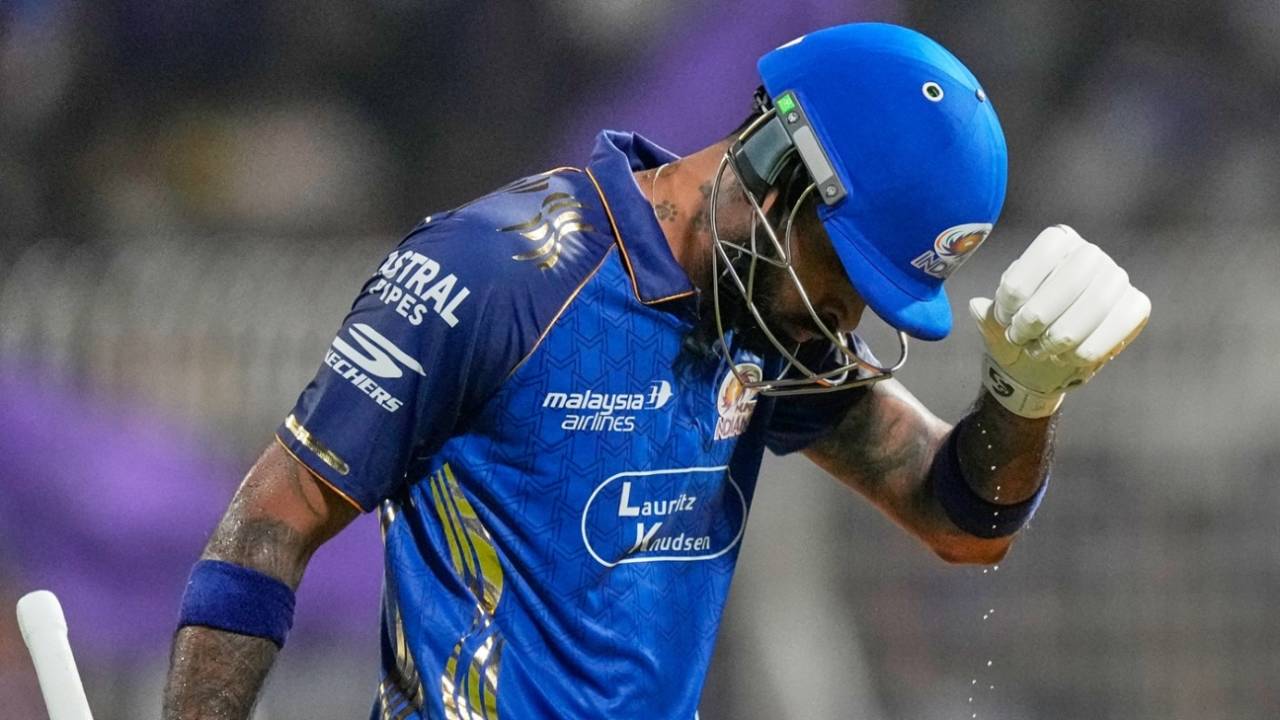
The Mumbai Indians (MI) endured a challenging IPL 2026 season, culminating in a ninth-place finish after a final loss to Rajasthan Royals (RR). Reflecting on what was undoubtedly a disappointing campaign for the five-time champions, MI batting coach Kieron Pollard described it as a season filled with “what-ifs,” a sentiment that surely resonated with the team’s dedicated fanbase and management alike. The air was thick with the lingering questions of missed opportunities and unfulfilled potential, as the team struggled to find consistency throughout the tournament.
A Season of Unanswered Questions and Missed Momentum
Pollard candidly admitted the collective disappointment, stating, “If this had happened, if we had done this, if we had done that, if we had played this one, if we had batted, it’s a bit of that.” This reflection perfectly encapsulates the frustration of a team that often showed flashes of brilliance but failed to convert them into sustained success. The inability to string together consecutive wins and capitalize on momentum shifts proved to be a critical factor in their downfall. “Overall, it has been disappointing for all of us as Mumbai Indians,” Pollard affirmed. “I’m sure the fans and everyone would have felt the same and there’s no hiding from that. We weren’t good the entire tournament. We weren’t able to sort of string together wins and use the momentum when we got it.” The candid assessment highlights the team’s own recognition of their shortcomings, acknowledging that the performance fell far short of the high standards set by the franchise in previous seasons.
The Need for a Strategic, Unemotional Review
Despite the immediate disappointment, Pollard emphasized that the aftermath of the season was not the appropriate time for hasty post-mortems or specific accusations. He stressed the importance of a measured approach, allowing for reflection before making any critical decisions. “Right now is not the time and place to talk about that,” Pollard explained, advocating for patience and strategic thinking over emotional reactions. “All these things will be sort of emotional decisions and thinking of every aspect of what’s needed. Everyone needs that time and space to go, sit down, recollect, have a fair idea and assessment as to where it went wrong for us. That’s where better decision-making is going to come about. If you sit here right now and say you need to do this, you need to do that, I think that will be irresponsible from a management perspective.” This professional stance underscores the team’s commitment to a thorough and objective review process, essential for identifying core issues and formulating effective future strategies.
Pollard anticipates that the forthcoming review will be exceptionally comprehensive. He expects players and management alike to engage in deep introspection regarding the team’s direction and performance. “Guys are going to sit back and actually think about what’s needed,” he commented, acknowledging the prolonged wait for a championship since 2020. “It has been a while that we have won the championship and that’s something that we have accepted as a team. And I said, another disappointing campaign adding to what would have transpired before. So deep thinking is going to go into it.” This acknowledgement sets the stage for significant strategic discussions and potential changes within the MI camp.
Hardik Pandya‘s Captaincy: A Collective Responsibility
Among the most frequently discussed topics during the season were Hardik Pandya’s captaincy and Jasprit Bumrah‘s wicket-taking form. Addressing the changes made prior to the season, including retentions and releases, Pollard drew a comparison to the previous year. “If we go back 12 months, we finish third [fourth, in IPL 2025],” he noted, suggesting that past performance justified certain strategic shifts. However, the ninth-place finish in IPL 2026 prompted renewed scrutiny.
Regarding Hardik’s leadership, Pollard offered a supportive yet realistic perspective. “And from a leadership perspective, Hardik, yes, it has not gone maybe as well as he would have wanted as an individual. But one thing you know that we’d have tried each and everything to give him the best opportunity to lead the franchise to do well.” Crucially, Pollard emphasized the collective nature of success and failure in cricket. He firmly stated, “‘No one is going to point fingers’ – Pollard on Hardik’s captaincy.” He added, “I think when you lose, you have to look at it from a collective perspective. So you win some, you lose some. He was trying, we all were trying and it just didn’t work out for us.” This statement highlights the unity within the team despite adverse results, reinforcing that accountability is shared across the squad and management, rather than solely resting on the captain’s shoulders.
Jasprit Bumrah’s Form and Strategic Absence
Another area of concern was Jasprit Bumrah’s wicket-taking performance, which saw him record his leanest season since 2015 (excluding seasons with minimal matches). While his economy rate remained impressive at 8.37, his tally of just four wickets was uncharacteristically low for a bowler of his caliber. Pollard shed light on Bumrah’s situation, revealing, “To be honest, he came in with a bit of a niggle after the [T20] World Cup. We tried to manage it. He wasn’t his best self in terms of fitness perspective and all of that. But he was able to come and try to deliver.” This explanation provides crucial context for Bumrah’s season, suggesting that underlying fitness issues impacted his usual potency.
For MI’s final game of the season, Bumrah was notably left out of the squad after 13 matches. Pollard defended this decision as a pragmatic and player-centric choice. “You’re going to get two points if you played. What’s that going to do for us?” he questioned, indicating that with playoff qualification out of reach, there was little to gain by risking a key player. “I think sometimes, you need to understand the player, understand what’s necessary at this point in time. And I think from a selection perspective, we didn’t think that today would have been right for him to play. We had other guys on the bench. We have depth in our bowling. We have young guys. So trying something different, I don’t see anything wrong with that.” The decision also reflected a long-term view for a player considered a national asset. “So let’s not look too much into that. This is the last game of the season. It’s not that we could have qualified. And he’s a prized possession for Indian cricket. So sometimes you have to take the smarter option,” Pollard concluded, underlining the importance of safeguarding Bumrah’s fitness for future national and franchise commitments.
Looking Ahead: Deep Thinking for Mumbai Indians
The 2026 IPL season serves as a stark reminder for the Mumbai Indians that even powerhouse franchises can endure periods of struggle. Kieron Pollard’s reflections underscore a team grappling with inconsistencies and seeking a path back to its championship-winning ways. The emphasis on a collective approach to problem-solving, a strategic review process free from emotional haste, and a careful management of key player welfare signals a commitment to long-term stability and success. As the franchise prepares for a period of “deep thinking,” the cricket world will keenly observe how the Mumbai Indians navigate these challenges and rebuild for future campaigns, aiming to once again assert their dominance in the Indian Premier League.