Sanjay Manjrekar attacks Ajit Agarkar and BCCI over Yashasvi Jaiswal’s exclusion – Sanjay Manjrekar Criticizes BCCI Selection Policy Regarding Yashasvi Jaiswal
The Controversy Surrounding India’s ODI Selection
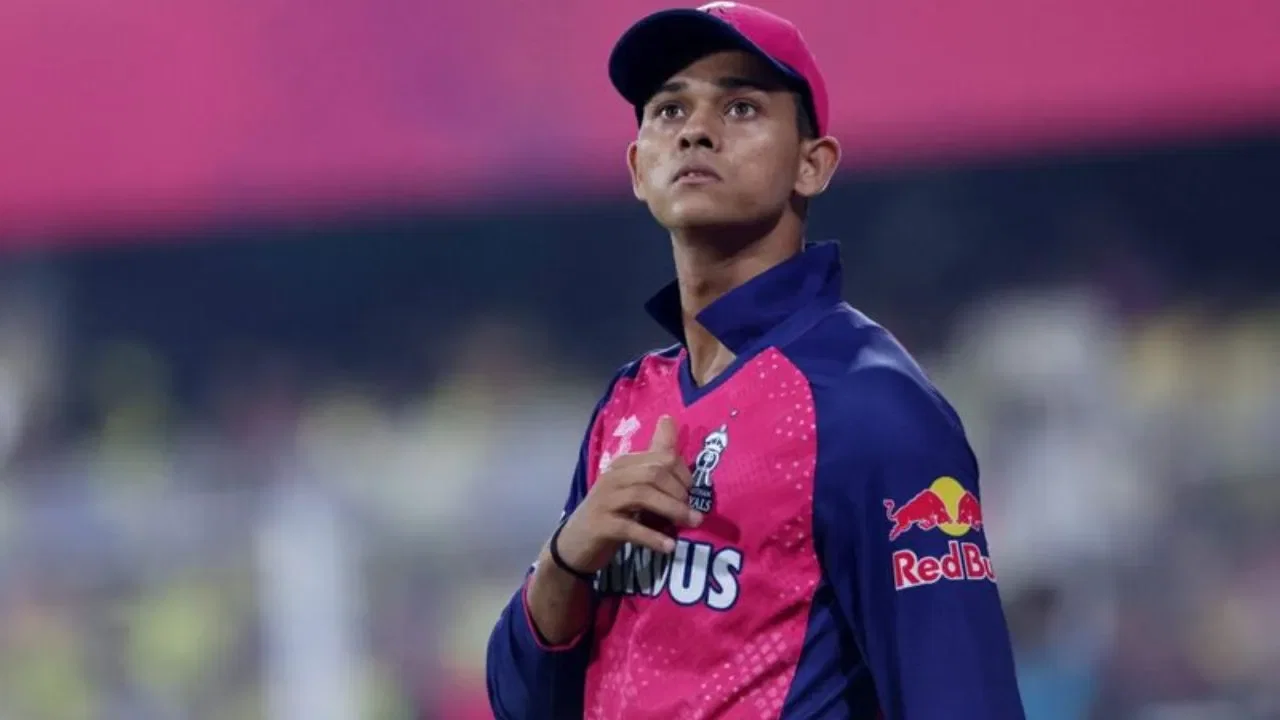
The recent announcement of the Indian ODI squad for the upcoming three-match series against Afghanistan, set to commence on June 14, has ignited significant controversy. The selection panel, led by Ajit Agarkar, has raised eyebrows with a series of unexpected inclusions and notable exclusions that have left pundits and fans questioning the long-term vision of the BCCI. Among the most criticized decisions is the exclusion of the talented young batter, Yashasvi Jaiswal.
Former India cricketer and commentator Sanjay Manjrekar has been vocal in his disapproval, asserting that the selectors owe a formal apology to players like Jaiswal and Sai Sudharsan. According to Manjrekar, these young prospects have been sidelined in favor of aging veterans whose current form and fitness remain subjects of intense debate.
Manjrekar’s Argument: Youth vs. Experience
The core of Manjrekar’s argument lies in the performance metrics of the current generation. He pointed to Jaiswal’s recent form, specifically highlighting his last ODI innings where he scored a magnificent 116 not out. Similarly, Sai Sudharsan has proven his mettle with consistent half-centuries while opening for India. Manjrekar believes that overlooking such performers in favor of players like Rohit Sharma—whose fitness is currently under an asterisk—defies logical explanation.
“If they were compelled, and had to make a compromise and pick Rohit Sharma for whatever reason, the first thing they have got to do is pick up the phone and apologise to Jaiswal,” Manjrekar stated during an appearance on Sportstar. He emphasized that Jaiswal is a young player who has performed under pressure at the highest level and represents the future of Indian cricket.
Questions on Vision and Future Planning
Beyond the individual case of Jaiswal, the veteran commentator expressed broader concerns regarding the selection committee’s strategy. He argued that the reliance on veterans like Rohit Sharma and Virat Kohli, particularly when they are not in peak form or fitness, hinders the development of the next generation of batting stars. The panel’s perceived over-reliance on older players, he suggests, ignores the immense potential of talents such as Shubman Gill, Ishan Kishan, and Ruturaj Gaikwad.
“It cannot be that the chairman of selectors, Ajit Agarkar, believes that this is the right way forward for Indian cricket,” Manjrekar remarked. He firmly believes that given a consistent run of matches, the current crop of young batters is fully capable of replicating the numbers produced by the senior stalwarts. For him, the focus must shift toward grooming these players rather than clinging to the past.
Statistical Context of Jaiswal’s Exclusion
The frustration surrounding Jaiswal’s exclusion is further compounded by his impressive, albeit limited, ODI record. Having played only 4 ODIs, Jaiswal has accumulated 171 runs at a robust average of 57 and a strike rate of 86. Despite proving his adaptability across formats, his integration into the ODI team has been slow, with his debut in the 50-over format only occurring in 2025, two years after his appearances in other formats.
Squad Dynamics and Challenges
The squad announcement itself reflects the complex balancing act the selectors are currently performing. While the exclusion of Rishabh Pant and Axar Patel added to the surprise, the return of Ishan Kishan suggests the selectors are looking for specific balance. Additionally, the call-ups for seamers Prince Yadav and Gurnoor Brar, alongside left-arm spinner Harsh Dubey, indicate an attempt to blood new domestic talent. However, as long as established names like Rohit Sharma and Hardik Pandya are included despite fitness uncertainties, critics like Manjrekar will continue to demand greater transparency and a more forward-thinking approach from the BCCI leadership.
As the Afghanistan series approaches, the pressure will be on the selected squad to deliver results that justify the selectors’ bold, and arguably controversial, choices. Whether or not the team management will heed the advice regarding their selection policy remains to be seen, but the debate serves as a stark reminder of the high stakes involved in managing the transition of Indian cricket.