Sunil Gavaskar goes against IPL authority to support Rishabh Pant on ‘F’ word co
The Post-Match Incident That Shocked the Cricket World
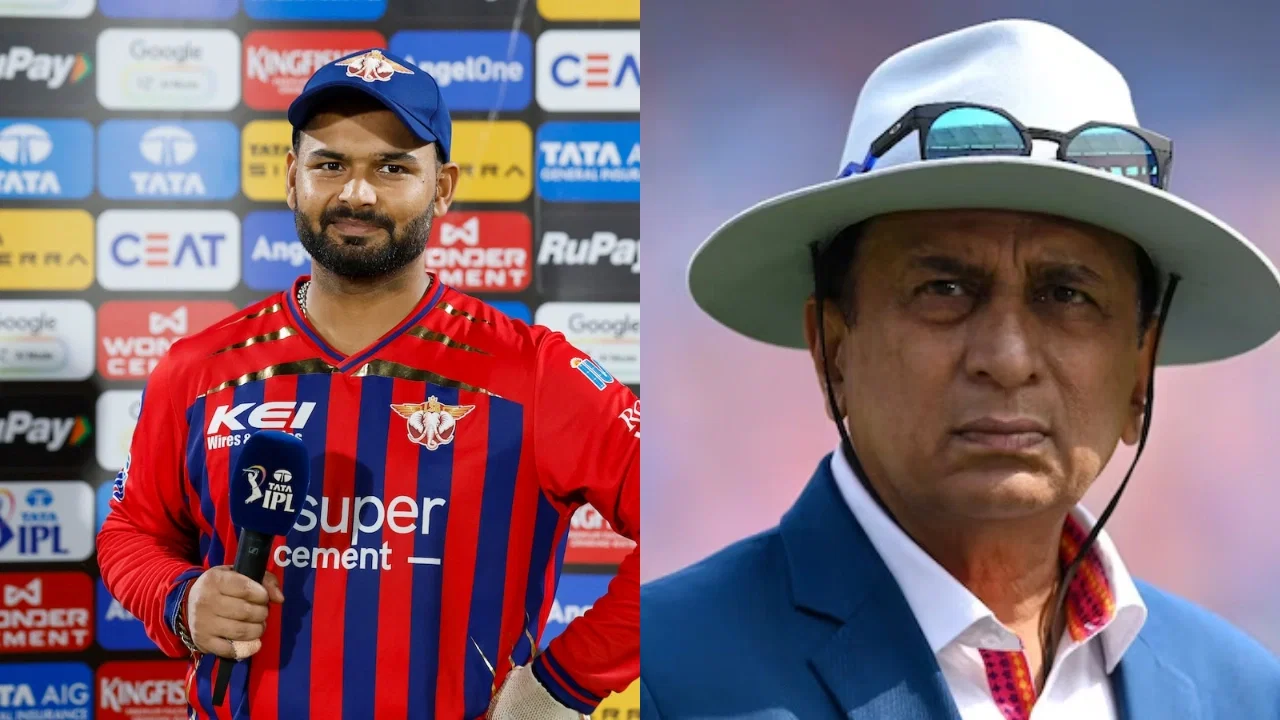
During a post-match presentation ceremony, cricket fans and commentators alike were left stunned when captain Rishabh Pant dropped the ‘F’ word on live television. The raw, uncensored moment occurred immediately after his team suffered their ninth defeat of the season, highlighting the immense pressure and emotional toll of the tournament. Sensing the gravity of the slip on a family-friendly broadcast, former West Indies fast bowler and esteemed commentator Ian Bishop immediately stepped in to apologize on behalf of Pant, striving to keep the “gentleman’s game” clean and respectable.
While such language is generally frowned upon in professional sports, the reaction from the cricket fraternity was mixed. Some fans criticized the captain for a lack of composure, while others sympathized with his obvious frustration after another tough loss. However, the most notable defense of the wicketkeeper-batsman came from an unexpected source: the legendary Sunil Gavaskar.
Sunil Gavaskar’s Surprising Stance: Empathy Over Criticism
In his latest column for Mid-day, Sunil Gavaskar went against the grain by backing the Lucknow Super Giants (LSG) captain in the middle of this controversy. This support came as a surprise to many, especially considering Gavaskar’s history of tough love regarding Pant. During the intense Border-Gavaskar Trophy, the legendary opening batsman had famously labeled Pant’s shot selection as ‘stupid.’ Yet, in this instance, Gavaskar chose empathy over criticism, arguing that the outburst was a result of pure, unfiltered human emotion rather than a lack of respect for the game.
Gavaskar pointed out that demanding immediate, coherent explanations from a captain who has just lost a grueling match is a flawed practice. He suggested that the intense pressure cooker of the Indian Premier League, combined with the immediate post-match spotlight, creates an environment where slip-ups are almost inevitable. By speaking out, Gavaskar has effectively challenged the traditional media duties imposed on losing captains by the IPL authorities.
Proposing a Structural Change to IPL Post-Match Protocols
Traditionally, the post-match presentation ceremony follows a rigid sequence. The losing team’s captain is the first to be summoned to the microphone to explain what went wrong, followed by the winning team’s captain, and finally, the Player of the Match. Gavaskar believes this order is counterproductive and unfair to the losing leader.
Instead, the former Indian captain proposed a simple yet effective adjustment to the IPL authority. He suggested that the losing captain should be given extra time to settle their thoughts before being forced to speak to the media. In his column, Gavaskar wrote: “Rishabh Pant dropping the ‘F’ word in his post-game interview does make one wonder whether it is necessary to interview the captain whose team has just lost the game barely minutes earlier. If it’s been a last-over finish, then the disappointment for the captain would be even greater, and if he is also the wicketkeeper who has been running up and down to the stumps every other delivery and that too in this heat, then it can add to his frustration.”
By restructuring the ceremony to interview the Player of the Match from the winning side first, the losing captain would receive a crucial window of ten to fifteen minutes to process the defeat, cool down, and regain their composure.
The Physical and Mental Exhaustion of Wicketkeeper-Captains
Gavaskar’s defense also shed light on the immense physical demands placed on modern wicketkeeper-captains. Playing in the grueling heat of the Indian summer, a wicketkeeper is constantly active, crouching and running to the stumps for all 120 deliveries of an innings. When that individual also bears the tactical burden of captaincy, the mental fatigue is compounded exponentially.
According to Gavaskar, expecting a player to transition instantly from this state of physical exhaustion and emotional disappointment to a polished media spokesperson is unreasonable. Giving the captain a few minutes to “splash some water on his face” and catch his breath would not only protect the players but also ensure more thoughtful and constructive interviews, preventing raw frustrations from boiling over on live television.
Understanding Rishabh Pant’s On-Field Persona
Despite the slip of the tongue, Gavaskar emphasized that Pant remains one of the most positive and joyful figures in modern cricket. Known for his constant chatter behind the stumps and his infectious smile, Pant typically plays the game with a unique sense of fun and freedom. The fact that even someone as naturally cheerful as Pant lost his temper speaks volumes about the current system’s flaws.
As Gavaskar added in his column: “Rishabh Pant is one of the most cheerful guys in the game who loves playing the sport in his own unique way. And the fact that even he lost it does make the case for the losing team’s captain to be given a few more minutes to recover his thoughts rather than have the mic shoved in his face even before he has had time to get his breath back.”
Ultimately, Gavaskar’s defense serves as a reminder of the human element behind the high-stakes entertainment of the IPL. While the league must maintain its broadcasting standards, supporting the well-being and composure of its players—especially in moments of defeat—should remain a top priority.