
Rex Rooms, the reckoning: What happens next after curfew-gate?
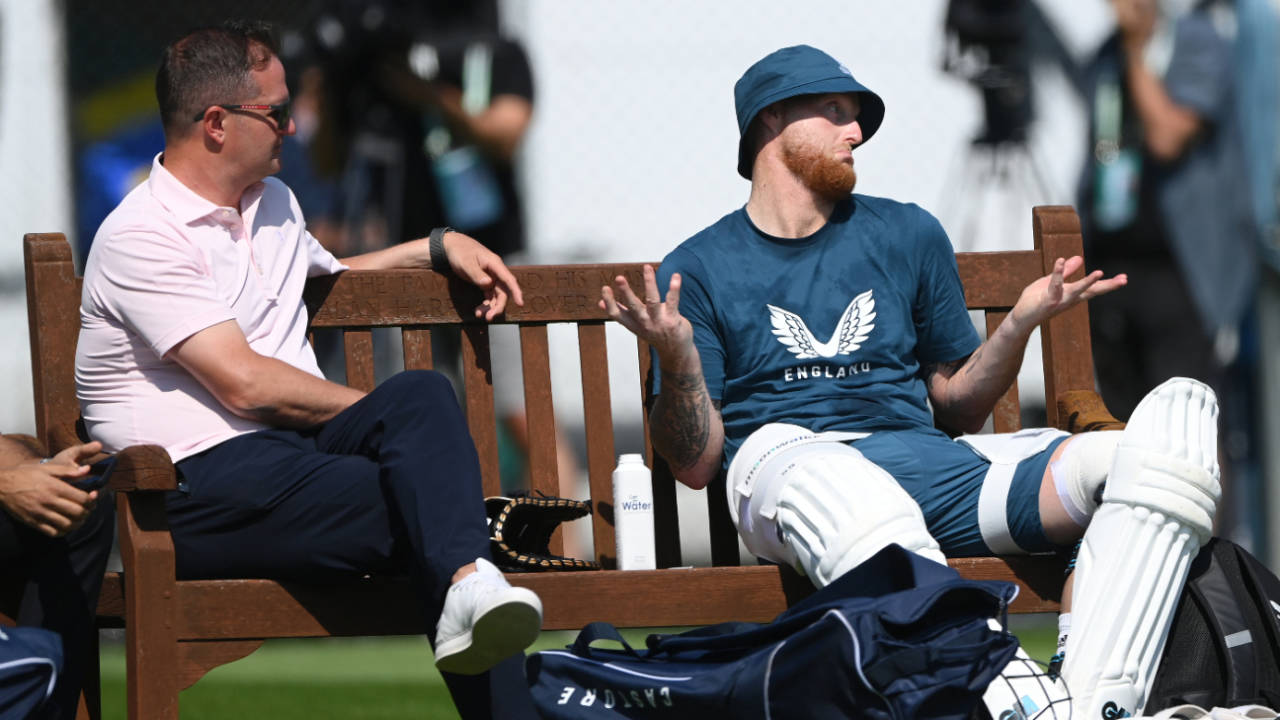
A Turbulent Chapter Closed
Two intense and often confusing weeks in English cricket have reached a resolution. On Sunday evening, the ECB confirmed that captain Ben Stokes and bowler Gus Atkinson have been cleared of serious wrongdoing following a high-profile investigation into a late-night incident at a London nightclub. Both players have been named in the squad for the third Test against New Zealand at Trent Bridge, marking an end to their temporary exile.
However, the events leading to this point, now colloquially known as ‘curfew-gate’, have exposed cracks in the team’s internal communication and management structures. As the team prepares for a winner-takes-all encounter, it is worth dissecting how a night out in Chelsea spiraled into a national disciplinary crisis.
The Rex Rooms Incident
The controversy stems from the night of June 7, following England’s victory in the first Test at Lord’s. While most of the squad returned to their hotel, Stokes and Atkinson extended their evening at the Rex Rooms nightclub in Chelsea, accompanied by a member of the ECB security team, James Shaw. The night ended in chaos, with two separate altercations—one inside the club and one outside—resulting in injuries to Shaw, who required stitches after an altercation involving a third party.
The immediate aftermath saw the ECB confirm that protocols had been breached. The news sent shockwaves through the sport, fueling intense speculation regarding the futures of both Stokes and the team leadership. The optics of the captain being involved in a late-night brawl threatened the very cultural foundations he had worked so hard to build.
Management Reactions and Disciplinary Procedures
The response from the England hierarchy was one of visceral disappointment. Rob Key, the managing director, admitted to a feeling of profound anger and disbelief. Similarly, head coach Brendon McCullum expressed his own frustration, though he maintained a focus on his personal concern for Stokes’ well-being. Both leaders noticeably declined to offer immediate public backing for Stokes’ return as captain, citing the ongoing nature of the investigations.
Two parallel investigations were launched: an internal ECB disciplinary hearing and an independent review by the newly formed Cricket Regulator. The Regulator, designed to monitor compliance with the game’s regulations, interviewed both players and examined the facts. Ultimately, they found no case to answer, concluding that neither player had provoked the violence that occurred.
The Curfew Conundrum
Perhaps the most baffling element of the entire saga was the confusion surrounding the team’s midnight curfew. While management insisted the rule was well-known, the reality on the ground appeared different. Some players claimed to be unaware of the specific protocols, particularly during the break between Tests. Key acknowledged that while the rule was intended to be standard, the lack of a ‘hard, factual blueprint’ led to significant ambiguity.
McCullum, initially adamant that the curfew was referenced ‘constantly’ in the dressing room, eventually conceded on Sunday that the enforcement lacked clarity. He vowed to rectify this, promising to document future standards in a more formal manner to ensure no player can plead ignorance again.
Looking Ahead: The Stakes for Trent Bridge
As the team travels to Nottingham for the series decider, the focus must shift back to the cricket. The return of Stokes and Atkinson, alongside the reappearance of Jamie Smith and Ollie Robinson, provides a much-needed boost to the XI. Yet, the road to redemption is far from straightforward.
A 2-1 series victory would certainly help mend the relationship between the team and the public, but it will not erase the memory of the past two weeks. For Ben Stokes, the challenge is two-fold: he must lead his side to a series win while simultaneously proving through his actions that he remains the right man to lead a side whose disciplinary code he helped write. If England fails to win at Trent Bridge, the fallout from this incident will likely be viewed as a symptom of a deeper, systemic instability within the current setup. The next five days will define whether this episode was merely a hiccup or a harbinger of deeper trouble for English cricket.
