Shanto leads Bangladesh in final ODI; Australia bring in Peake and Dwarshuis
Tactical Shifts in Dhaka
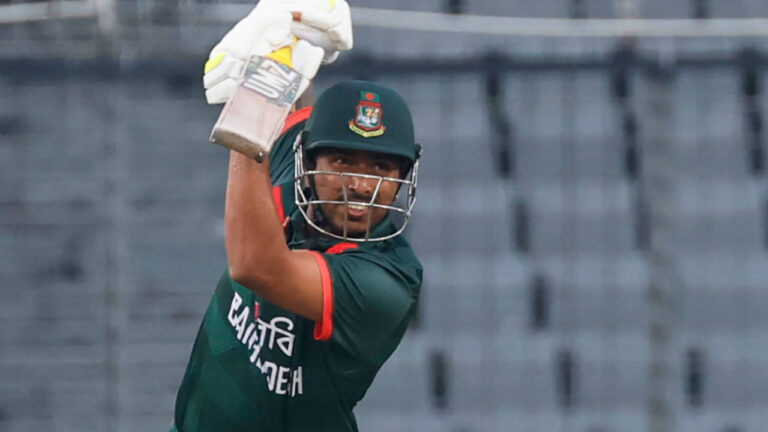
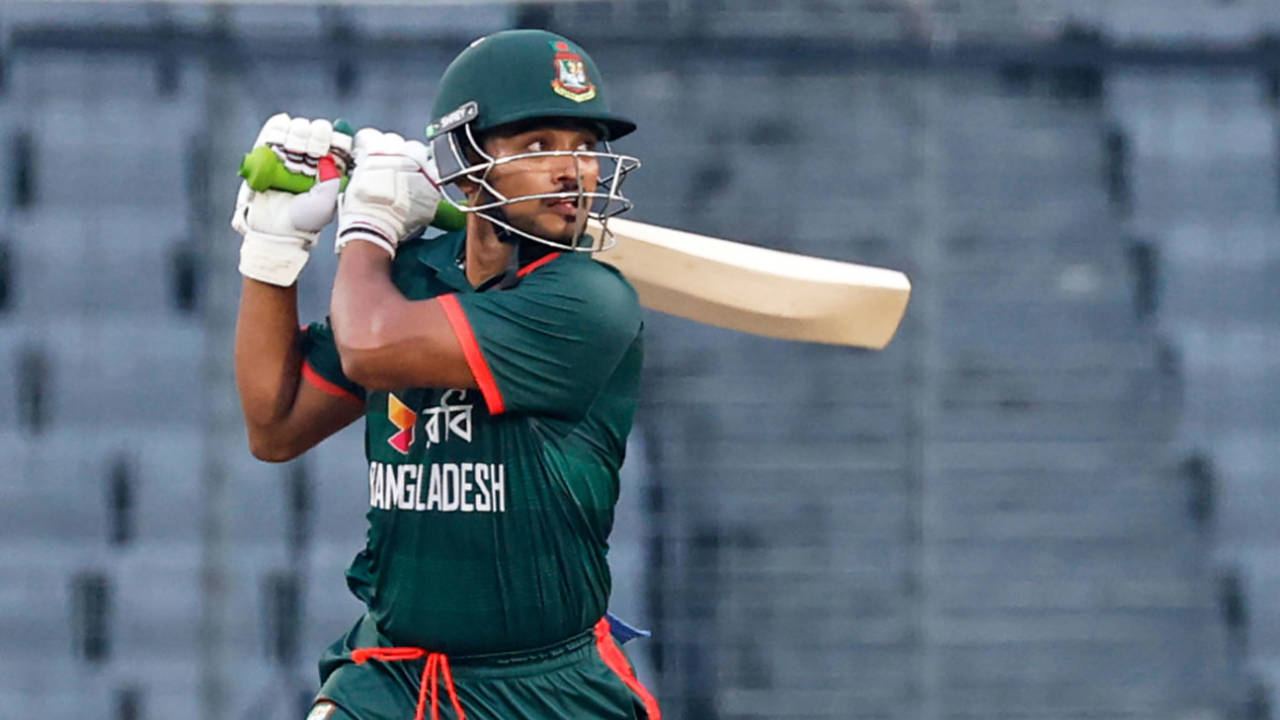
As the series reaches its conclusion, the atmosphere in Dhaka is charged with anticipation. Najmul Hossain Shanto has taken the mantle, as Shanto leads Bangladesh in final ODI; Australia bring in Peake and Dwarshuis to reshape their strategy. With the toss favoring the hosts, the strategic focus shifts toward managing team balance following recent injury concerns and performance slumps.
Bangladesh Strategy: Navigating Personnel Changes
The home side entered this final showdown with a clear objective: to build on the momentum generated by winning the toss. Najmul Hossain Shanto stepped into the captaincy role, filling the void left by Mehidy Hasan Miraz, who was unfortunately sidelined due to a concussion sustained during the second match. This change in leadership was accompanied by significant personnel adjustments designed to strengthen both the bowling attack and middle-order stability.
Mahedi Hasan marks his return to the ODI format, serving as a like-for-like replacement for the injured Miraz. Having last played in the 2023 World Cup clash against Australia in Pune, Mahedi’s experience as a right-arm offspinner and capable middle-order batter provides the team with much-needed tactical depth. Furthermore, the management decided to rest young quick Nahid Rana, opting to bring in the experienced left-arm pacer Shoriful Islam. This move is clearly aimed at providing variety to the pace battery on a track where control and deception will be paramount.
Australia’s Rebuilding Phase
On the opposing side, Australia has opted for a significant shake-up after a challenging run of results. Recognizing the need for a fresh approach, the visitors have dropped Matthew Short following a difficult period where he failed to register a score in three consecutive innings. In a move to manage player workloads, Nathan Ellis has also been rested, allowing the side to test their bench strength.
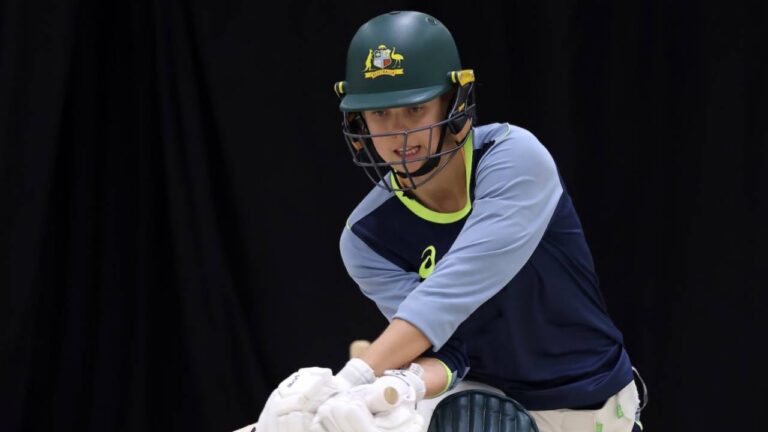
The inclusion of Oliver Peake at the number seven position signals Australia’s intent to inject new energy into their lower-order batting. Meanwhile, the addition of left-arm pacer Ben Dwarshuis adds a different dimension to the Australian attack, providing a sharp contrast to their existing bowling options. These selections underscore Australia’s commitment to rotating their squad and evaluating emerging talent in competitive international conditions.
Team Compositions
The stakes are high for both squads as they look to end the series on a positive note. Here is how the teams shape up for the encounter:
Bangladesh XI
- Tanzid Hasan
- Soumya Sarkar
- Najmul Hossain Shanto (capt)
- Tawhid Hridoy
- Litton Das (wk)
- Mosaddek Hossain
- Mahedi Hasan
- Taskin Ahmed
- Mustafizur Rahman
- Shoriful Islam
- Tanvir Islam
Australia XI
- Cooper Connolly
- Josh Inglis (capt & wk)
- Matthew Renshaw
- Alex Carey
- Marnus Labuschagne
- Cameron Green
- Oliver Peake
- Xavier Bartlett
- Ben Dwarshuis
- Adam Zampa
- Riley Meredith
Final Outlook
As the players take the field in Dhaka, the tactical battle will be as much about the adjustments made by the leadership as it is about individual performance. With Shanto looking to cement his authority as a leader and Australia aiming to revitalize their middle order with the help of Peake and Dwarshuis, cricket fans are in for a compelling final chapter to this series. The surface at Dhaka is expected to offer support to the bowlers as the game progresses, making the decision to bat first a calculated risk by the Bangladeshi camp.
As the series winds down, the focus remains firmly on how these changes will impact the game’s trajectory. Whether the home team can capitalize on their toss advantage or the Australian newcomers can make an immediate impact will define the narrative of this final ODI.