‘Her rough phase is gone’ – Harmanpreet pleased with Ghosh’s return to form
The Crucial Resurgence of Richa Ghosh
Sometimes, a single stellar innings is all it takes to rebuild shattered confidence. Indian captain Harmanpreet Kaur firmly believes that Richa Ghosh’s brilliant lone-hand performance against England in India’s final warm-up match before their T20 World Cup campaign has sparked a much-needed transformation. The dynamic wicketkeeper-batter has been a linchpin of India’s middle-order plans, and her return to run-scoring ways could not have come at a better time.
Prior to this, Ghosh had been navigating a challenging patch. During India’s five-match series in South Africa back in April—which India lost 4-1—she showed glimpses of her quality by scoring 85 runs at an average of 42.50 with an impressive strike rate of 157.40. However, her form dipped significantly during India’s subsequent 2-1 series defeat to England on English soil, where she managed a mere 18 runs across three innings.
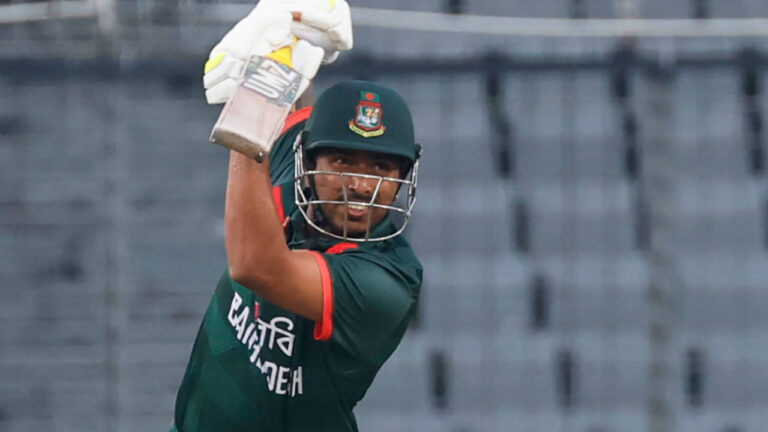
The turning point arrived in Wednesday’s warm-up clash, once again facing England. Ghosh broke out of her slump with a devastating 68 off just 36 balls. She single-handedly kept India in the hunt, nearly pulling off an improbable chase before the team was bowled out on the penultimate ball, resulting in a narrow five-run loss. The significance of her innings was highlighted by the fact that no other Indian batter managed to cross 18 runs.
Harmanpreet Kaur Identifies a “Completely Different Player”
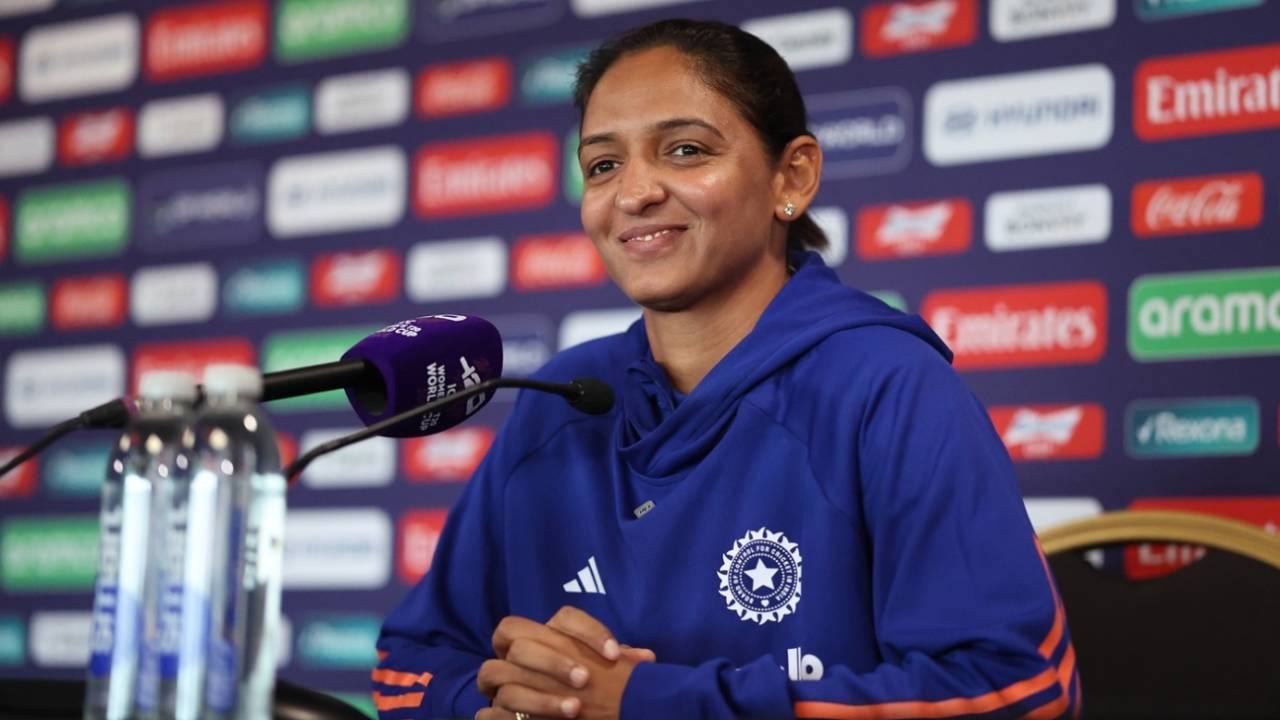
Speaking on the eve of India’s blockbuster tournament opener against Pakistan, Harmanpreet expressed her delight at Ghosh’s timely revival.
“We were waiting for Richa to get that confidence back,” Harmanpreet said. “She’s a key player, a game-changer for us, and we are all very happy that now she’s back in form and confident again.”
The Indian skipper also noted how the knock has positively impacted Ghosh’s body language and performance during training sessions. “She’s looking really well after that game, even in the nets. One good innings always gives you a lot of confidence, and we have seen that the moment she got those runs she looks like a completely different player in the nets… . I think that her rough phase is gone.”
Peaking at the Right Time and Learning from Defeats
Like Ghosh, Harmanpreet believes the entire Indian team is peaking at the optimal moment, having acclimatized to playing in English conditions over the past few weeks. Rather than seeking rigid formulas, the skipper emphasized adaptability as their primary weapon for the World Cup.
“You can’t just go with a fixed plan; you have to be very flexible with a lot of things, I think that is the key point we have learned so far and hopefully will use in this major tournament,” she explained.
Harmanpreet also shed light on how the team has utilized their recent series defeats as valuable learning experiences. “I personally feel that when things are always going well, sometimes you don’t know which areas you need to improve in as a team, but when you lose, you learn a lot. That’s what the last one-and-half-months has shown, lots of things, lots of scope for improvement. That’s what we have been discussing in team meetings and trying to apply ourselves on the field — how we can do better in that area, how to improve ourselves and bring that onto the field. And I think those losses have given a lot of learning and hopefully we’ll use that experience for this tournament.”
Pakistan’s Camp: Injury Scares and an Aggressive New Philosophy
While India boasts a fully fit squad to select from, Pakistan’s camp faced a brief scare on match eve. Captain Fatima Sana was struck on the knee while bowling in the nets, hit by a ball driven straight back at her by teammate Ayesha Zafar. Despite the incident, Fatima expressed confidence that she would be fully fit to lead her side on Sunday.
“I think it is good now,” Fatima said. “We all are ready and we know what the conditions are because we are here since almost two weeks because we played the series against Ireland as well in Ireland. We just need to execute better plans and we need to be more calm.”
Pakistan enters the tournament looking to overturn a string of tough results. They lost both of their completed matches in the recent tri-series in Dublin against the West Indies and Ireland, following a 2-1 T20I series loss in Ireland last year. Additionally, they suffered a 2-1 series defeat in South Africa in February.
To reverse this trend, Pakistan has adopted a highly aggressive batting blueprint. The team has been working closely with head coach and former Pakistan left-arm speedster Wahab Riaz, who has even been bowling in the nets to help the batters adjust to high pace and bounce.
“We’ve seen in T20 a dominating scene is going on, so the attempt is that the more you dominate the bowlers the easier it will be,” Fatima remarked. “The effort for all batters is to play attacking, no matter if it is the start, middle overs or end because the more aggressively you play the more the opposing team goes under pressure. Where pace is needed, he [Wahab Riaz] himself also bowls to try to increase pace. When you work with an ex‑cricketer there is a lot of game awareness shared and it is going quite well.”
Navigating the High-Stakes Rivalry
Historically, India has dominated the head-to-head record between the two sides in T20Is, winning 13 out of their 16 meetings. Pakistan’s three victories include their memorable clash at the 2022 Asia Cup. Despite the statistical advantage, both teams are determined to treat the high-pressure fixture with a calm and measured approach.
“The game is hyped already, so we just want to play a normal game and the execution is very important at that match, we will try to execute better plans,” Fatima stated.
Harmanpreet Kaur echoed this perspective, acknowledging the unique pressure of an India-Pakistan clash while emphasizing the importance of enjoying the occasion.
“I won’t say there’s no pressure – there is pressure,” Harmanpreet admitted. “Since I started watching cricket, as a supporter I have felt that pressure, and now that we play it’s even more. But at the same time we always say that the more we enjoy this game the better it is for us, because we are the lucky ones who are picked for this big occasion and we just want to enjoy ourselves on the field. More than anything, it is another game we are going to play tomorrow and we just want to play our best cricket.”