IPL likely to be scrapped from March-May window, confirms Arun Dhumal – IPL to Move from March-May Window? BCCI Chairman Arun Dhumal Explains
A New Era for the Indian Premier League?
The Indian Premier League (IPL), the crown jewel of T20 cricket, could be on the verge of its most significant transformation since its inception. For nearly two decades, the tournament has been the undisputed king of the March-May sporting calendar. However, internal discussions at the Board of Control for Cricket in India (BCCI) suggest that this tradition may soon come to an end.
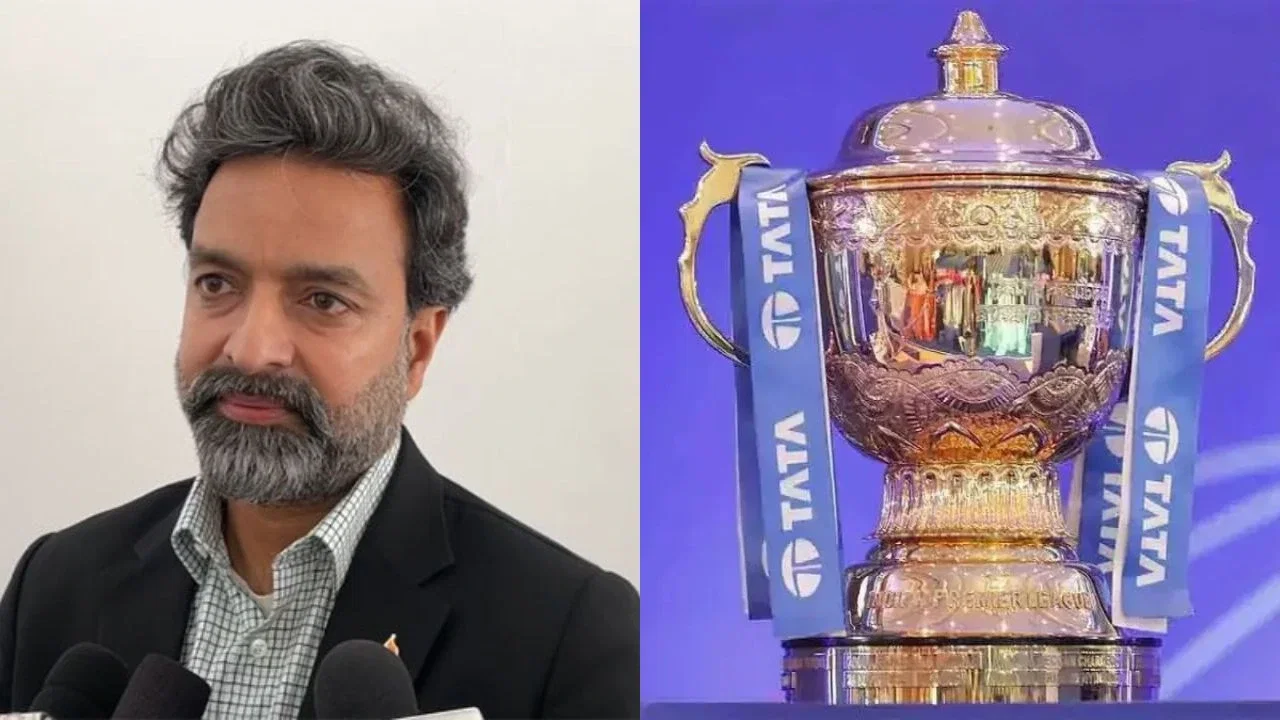
IPL Chairman Arun Dhumal has officially confirmed that the governing body is seriously contemplating shifting the tournament away from its long-standing window. This strategic rethink is driven by two primary factors: the deteriorating impact of the Indian summer on player welfare and the immense commercial potential of the festive season.
The Challenge of Extreme Heat
Climate patterns and increasing temperatures across India have made playing high-intensity cricket during May increasingly difficult. Players and fans alike have faced the brunt of the harsh Indian summer, with concerns regarding exhaustion, dehydration, and general well-being reaching an all-time high. The BCCI recognizes that as the league grows and the number of matches increases—particularly with expansion plans post-2028—maintaining the current schedule is becoming an unsustainable burden for athletes.
With 10 teams currently competing in a 74-match format, the physical toll on international stars who travel from all corners of the globe is significant. The board is committed to finding a more balanced approach that ensures the long-term health of the players while maintaining the high quality of cricket that fans expect.
The Strategic Allure of September-October
Beyond the physical health of the players, the shift to a September-October window presents a massive economic opportunity. In India, this period is synonymous with the festive season, leading up to the grand celebrations of Diwali. For brands and advertisers, this is the most lucrative time of the year.
Arun Dhumal highlighted that moving the IPL to this window could revolutionize the league’s financial landscape. A festive-season IPL would align perfectly with the peak advertising cycle, potentially resulting in record-breaking sponsorship deals and significantly higher revenue for all stakeholders involved.
Navigating the Logistics
While the proposal is compelling, transitioning the IPL calendar is an intricate task. The BCCI is aware that such a decision requires extensive consultations with broadcasters, franchise owners, and international cricket boards. The global cricket calendar is already crowded, and the availability of overseas players will remain a critical variable in any final decision.
“We need to sit across from and speak to the broadcaster for their opinion on whether the tournament can be moved to another window,” Dhumal stated in an interview. “One suggestion was a window in September-October. That is the best time from an advertiser’s point of view because it’s just before Diwali. We will look at that when the next bilateral tender comes into play.”
The Road Ahead
As the conversation around the future window gains momentum, the current edition of the IPL continues to captivate audiences. The 2026 season has reached its dramatic conclusion, with Royal Challengers Bengaluru (RCB) having already secured their spot in the final. Meanwhile, the battle for the remaining berth continues, with Sunrisers Hyderabad (SRH), Rajasthan Royals (RR), and Gujarat Titans (GT) fighting for glory in the final stages of the playoffs.
The Eliminator between SRH and RR at the Maharaja Yadavindra Singh PCA Stadium in New Chandigarh marks a pivotal moment in the current campaign, followed by Qualifier 2, which will determine the final challenger to face RCB. Regardless of who lifts the trophy this year, the discussions regarding the future scheduling of the league suggest that the IPL is prepared to evolve to ensure its continued dominance in the world of sports entertainment.
The BCCI’s willingness to re-evaluate such a deeply entrenched tradition showcases the board’s proactive approach to modernizing the sport. Whether or not the change happens immediately, the dialogue has officially begun, and the world of cricket will be watching closely to see how the league adapts to the challenges of the future.