Former Indian legend backs Rishabh Pant after LSG skipper dropped F-Bomb on live
The Pressure of Defeat: Analyzing the Rishabh Pant Incident
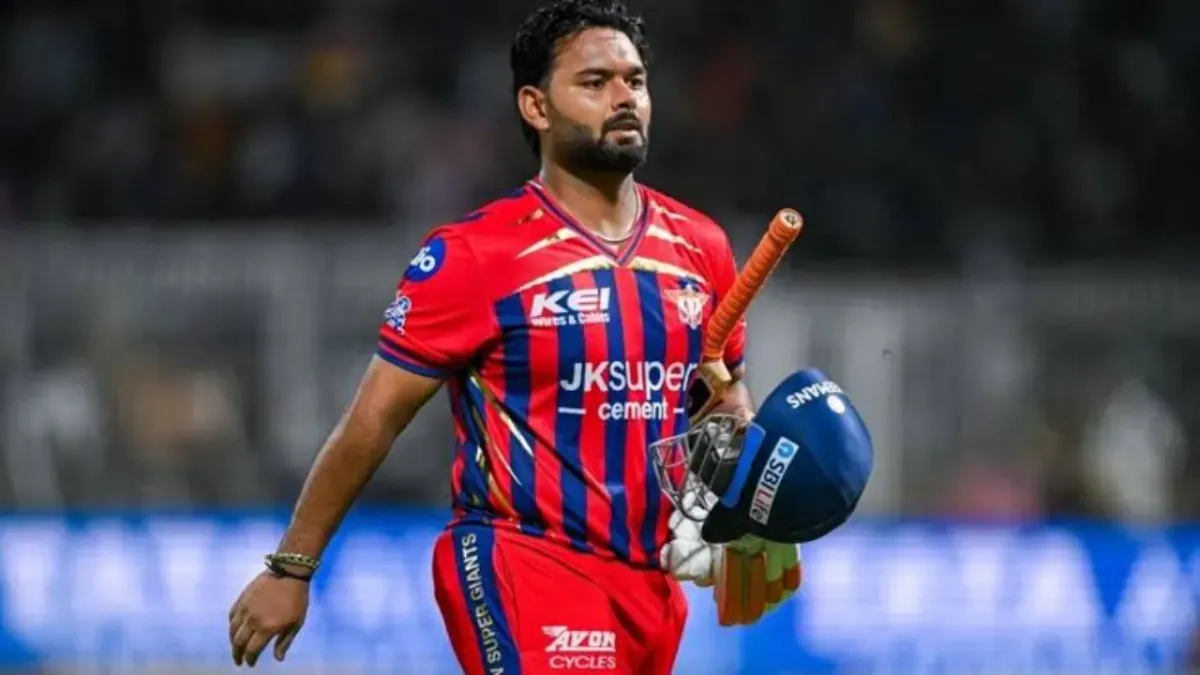
In the high-stakes world of the Indian Premier League, tensions often run high, and the 2026 season was no exception for the Lucknow Super Giants. Following a difficult campaign that saw the team finish at the bottom of the table with only eight points from 14 matches, skipper Rishabh Pant found himself in the middle of a minor controversy. During a post-match interview with former West Indies fast bowler Ian Bishop, the 28-year-old wicketkeeper let an expletive slip, which was broadcast live to millions of viewers. When asked about his team’s performance, Pant stated, ‘Despite everything that happened, we are a good team. Things haven’t gone our way this season, but it cannot change the fact that we are a F****** good team.’ Following the broadcast, Bishop was compelled to offer an apology to the audience.
Sunil Gavaskar Defends the Young Star
While the incident drew criticism from some quarters, it also sparked a significant conversation regarding the timing of post-match interviews. Former Indian captain Sunil Gavaskar has stood by the young wicketkeeper, offering a nuanced perspective in his recent column for Mid-Day. Gavaskar, 76, argued that the broadcasters and officials must reconsider the necessity of interviewing a losing captain the moment the final ball is bowled.
The legendary cricketer highlighted that as a wicketkeeper, Pant had spent the entire duration of the match running in the sweltering heat. The combination of intense physical exhaustion and the emotional disappointment of a loss created a pressurized environment that understandably led to a lapse in judgment. Gavaskar emphasized that the frustration stemming from such a grueling matchday is a human response, not a reflection of a lack of professionalism.
A Call for Policy Change in Broadcasting
The conversation extended beyond just defending Pant; it opened a wider discussion on how cricket broadcasting can evolve. The veteran batting legend described Pant as a naturally cheerful player who approaches the game with joy, making his uncharacteristic outburst a clear indicator of the immense stress he was under. To prevent such situations in the future, the veteran proposed a more compassionate approach to player interactions.
Key suggestions discussed in the article include:
- Revisiting Post-Match Protocol: Allowing captains a cooling-off period before facing the cameras.
- Shift in Focus: Interviewing the Player of the Match instead of the losing captain immediately after the game.
- Mental Well-being: Recognizing the physical and psychological toll of a long match on captains who also perform demanding roles like wicketkeeping.
By shifting the focus, broadcasters could ensure that players have the time to collect their thoughts and cool down, which would prevent the occurrence of such incidents. This transition would not only protect the players from unnecessary scrutiny but also improve the quality of the post-match discourse, as captains would be in a better position to analyze the game logically once the immediate sting of defeat has subsided.
The Human Element in Modern Cricket
Ultimately, the support from icons like Sunil Gavaskar serves as a reminder that cricketers are human. The demand for constant accountability under extreme conditions can often lead to friction. As the cricket fraternity reflects on this event, it is clear that the focus should remain on developing systems that prioritize the mental well-being of the athletes. With a more thoughtful approach to media engagements, the sport can maintain its integrity while ensuring that players like Rishabh Pant remain protected during their most vulnerable moments on the field.