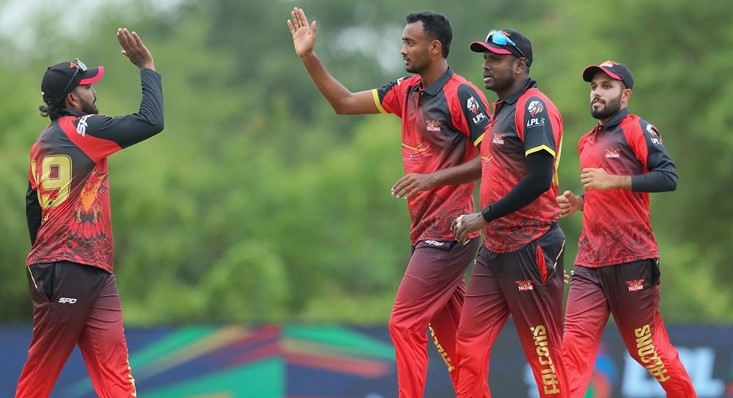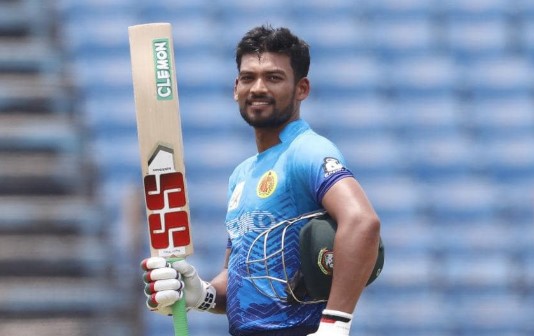
Alan Donald compares Nahid Rana to Steve Harmison in Speed Warning

The Emergence of a Genuine Speed Sensation
Bangladesh’s bowling landscape has experienced a dramatic shift in recent years. Long known for producing spin-heavy attacks, the nation is now churning out genuine express pace bowlers who can trouble the best batters in the world. At the absolute forefront of this exciting revolution is Nahid Rana, a young fast bowler whose raw speed has caught the attention of international cricket legends. Speaking recently on Wisden’s podcast, former Bangladesh national team pace bowling coach Allan Donald shared his highly optimistic assessment of the youngster. Crucially, Alan Donald compares Nahid Rana to Steve Harmison, arguing that Rana’s technical foundation is already close to perfect and his natural pace should never be compromised by over-coaching.
The Steve Harmison Parallel: Rhythm and Explosive Mechanics
Drawing comparisons to England’s former Ashes-winning paceman Steve Harmison is a massive statement of intent. Harmison, at his absolute peak, was one of the most intimidating fast bowlers in world cricket, capable of generating steep bounce and extreme velocity. Donald sees those exact same physical and technical traits mirrored in the young Bangladeshi speedster.
Reflecting on what makes both bowlers so uniquely dangerous, Donald remarked: “He is a bit like Steven Harmison in his pump. Harmy was just big and not the greatest runner, but for his rhythm, he was very good. In terms of getting the ball from A to B, all the mechanical things fall into place from back foot strike to front foot strike, from the release to the hips, beautifully. He was brutally fast, Harmison. And the same with Nahid Rana.” This mechanical harmony is incredibly rare in young fast bowlers, allowing Rana to transfer maximum energy from his run-up straight through to the release of the ball without losing momentum.
Managing the Volatility of Express Pace
For any captain or coach, managing a bowler who regularly clocks high speeds can be a double-edged sword. Express pace often comes with a lack of control, and younger bowlers can occasionally leak runs as they search for their rhythm. However, Donald strongly advises against trying to restrict Rana’s natural instincts in favor of defensive line and length bowling.
To highlight the importance of patience, Donald recalled a Test match in Dhaka where Rana experienced a rollercoaster of performances across both innings. “I think the important thing about him is not to tell him to narrow down channels and just hit lengths. The first innings of the Dhaka Test. He went for 114 [104-1], picked up one or none in the first innings, and then he took a five-for,” Donald explained. This dramatic turnaround perfectly illustrates why coaches must resist the urge to tinker with his natural style. “And this is why you never tinker with his ability. He might leak runs, but there’s a six-for around the corner, and that’s the genius of him. So, I think that’s why Nahid Rana must just go and bowl quick.”
The Future of Bangladesh’s Fast Bowling
The coaching philosophy espoused by Donald is one of empowerment and trust. In a cricketing culture that has historically valued containment over raw aggression, letting a young bowler loose to simply “bowl quick” is a refreshing approach. If Bangladesh is to consistently win Test matches abroad, having a strike bowler like Nahid Rana—who can break partnerships through sheer velocity—is absolutely essential. By maintaining his natural rhythm and focusing on his biomechanical strengths, Rana has the potential to become a cornerstone of Bangladesh’s multi-format attack for the next decade. With backing from legends like Allan Donald, the young paceman has all the encouragement he needs to take the cricketing world by storm.